

The fastest route to a strong sale price on a Sedona short-term rental is working with an STR-specialized agent while you knock out a short prep list yourself. If you’re going it alone for now, start today with three things: confirm your permit status, gather your tax and depreciation records, and order a Sedona vacation rental CMA. Skip these and depreciation recapture or a botched 1031 exchange timeline can quietly eat into your net proceeds.
TL;DR:
- Verify whether the STR permit transfers or needs new approval before listing; Sedona and Yavapai County rules vary by location and issuance date.
- Gather depreciation schedules, improvement invoices, and transaction records, then consult a CPA before listing; a 1031 exchange requires a qualified intermediary before closing.
- Prepare income and occupancy records for the past twelve months, platform statements, vendor contracts, safety checks, and a handoff packet to reduce buyer delays.
- Use a vacation rental CMA that combines sales, average daily rate, and occupancy; market income to investors and guest experience to lifestyle buyers.
- Prioritize repairs to roofing, HVAC, and pool equipment; defer cosmetic work unless it is inexpensive, and hire a professional photographer before listing.
Table of Contents
- Your pre-listing checklist: what to do in the first 30 to 90 days
- What makes a Sedona rental sell for top dollar
- Permits, zoning, and disclosures sellers can’t skip
- The tax paperwork that catches sellers off guard
- The buyer-ready folder that speeds up closing
- Pricing and marketing: selling to investors versus lifestyle buyers
- What an STR-specialized agent actually does for you
- Our take: the sellers who do well aren’t the ones who panic-renovate
- Ready to get your rental market-ready?
- FAQ
Your pre-listing checklist: what to do in the first 30 to 90 days
Think of this as clearing the trail before anyone else hikes it. The first task is paperwork: pull together your rental ledger, platform payout reports, maintenance receipts, your short-term rental permit, and any HOA documents. Buyers (and their lenders) will ask for these sooner than you’d think.
From there, work through this order:
- Collect every financial and compliance document in one folder, digital and printed.
- Make the repairs that matter to STR buyers (roofing, HVAC, pool equipment) and skip the purely cosmetic ones unless they’re cheap wins.
- Hire a professional photographer; Sedona’s red rock backdrop deserves better than a phone camera.
- Order a Sedona vacation rental CMA and review your ADR and occupancy numbers against comparable properties.
- Call a CPA now, not after you’ve accepted an offer, to talk through depreciation recapture and 1031 timing.
Pro Tip: Start your tax conversation before you list. 1031 exchange deadlines are unforgiving, and there’s no retroactive fix once the sale closes.
What makes a Sedona rental sell for top dollar
Sedona buyers aren’t shopping like typical homebuyers. They’re underwriting an investment, and they pay a premium for proximity to trailheads, red rock views that photograph well, and finishes that match the luxury expectations of Sedona guests. A property that’s been run tightly, with reliable turnovers and few guest complaints, reads as lower risk to a buyer who’s done their homework.
Some practical patterns we see across neighborhoods and seasons:
- Properties near Oak Creek Canyon and West Sedona trail access tend to command stronger guest demand than homes tucked into quieter residential pockets.
- Uptown proximity appeals to lifestyle buyers, while investors often favor larger lots with parking flexibility and fewer HOA restrictions.
- Spring and fall carry Sedona’s strongest ADR and occupancy, which shapes both pricing and the best window to list.
- A hot tub, dark-sky stargazing setup, or a dedicated workspace can push a property from average performer to a standout on occupancy data.
Buyers compare these details against the market, so document them before you list rather than explaining them during a showing.
Permits, zoning, and disclosures sellers can’t skip
Permit trouble is the single most common reason a Sedona STR sale stalls. Before you market the property, confirm whether your short-term rental permit transfers to a new owner or requires fresh approval, since the City of Sedona and Yavapai County handle this differently depending on when and where the permit was issued.
Beyond the permit itself, check these boxes:
- Review HOA rules for any restrictions on short-term rental use that could affect a buyer’s plans.
- Confirm septic and utility compliance, since failed inspections here are expensive to fix late in escrow.
- Pull your building permit history and resolve any open code violations before a buyer’s inspector finds them first.
- Ask an STR-savvy agent to verify records and draft disclosures that hold up under buyer scrutiny.
Pro Tip: If permit status is anything less than crystal clear, pause your marketing until you’ve verified it. Renegotiating price after a buyer discovers a permit gap costs far more than the delay.
The tax paperwork that catches sellers off guard
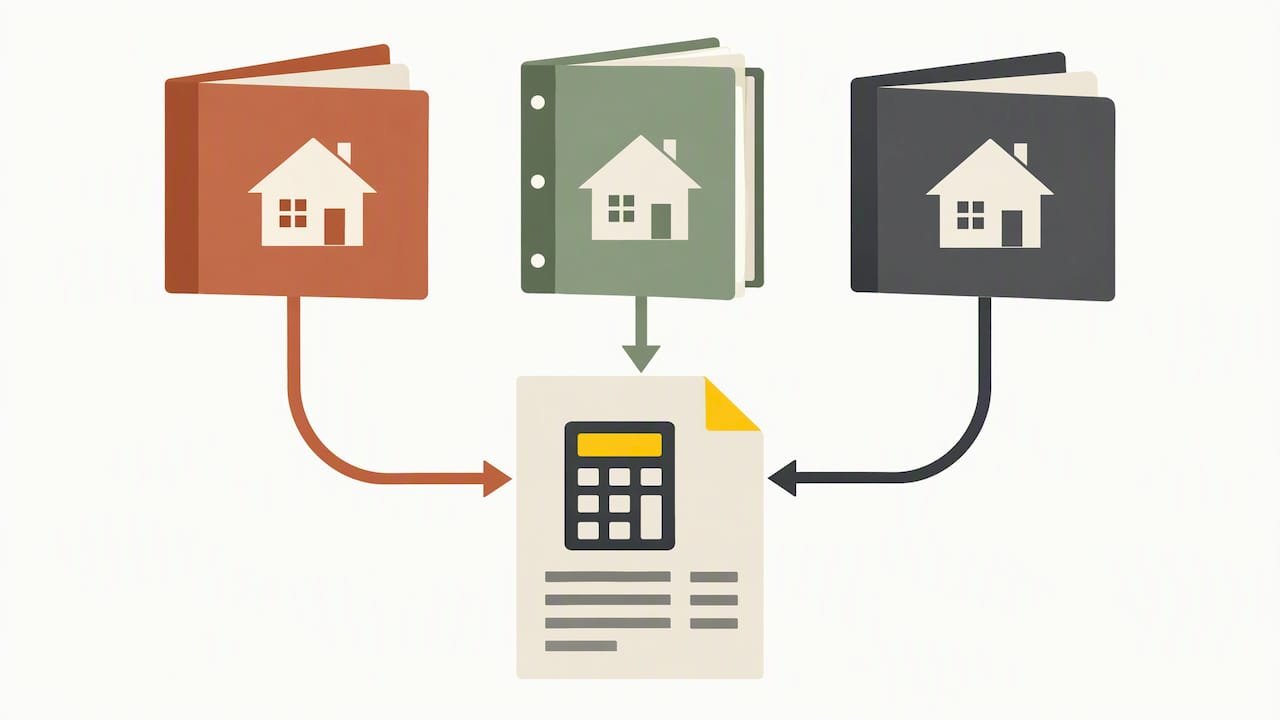
Selling a rental triggers more tax reporting than selling a primary home, and the biggest surprise for first-time sellers is depreciation recapture. The IRS instructions for Form 4797 explain that depreciation taken or allowable on a rental must be subtracted from your adjusted cost basis and reported, which increases your taxable gain even if your actual cash profit feels smaller.
Here’s the reporting breakdown:
- Depreciation recapture and the sale of business or rental property generally get reported on Form 4797, though whether you use Form 4797 or Form 8949 and Schedule D depends on whether your rental activity rises to the level of a trade or business.
- Publication 544 covers how to allocate gain when a property was used partly for personal stays and partly as a rental, which applies to many Sedona owners who mix both.
- A 1031 exchange can defer this tax, but the identification and exchange deadlines are strict and require a qualified intermediary lined up before you close, not after.
Depreciation recapture can shift your tax bill meaningfully even on a modest gain, because it’s calculated against adjusted basis rather than your purchase price. Assemble your depreciation schedule, capital improvement invoices, and full transaction history now, and bring them to a CPA before you sign a listing agreement.
The buyer-ready folder that speeds up closing
Serious STR buyers underwrite your property like a small business, which means they’ll ask for documentation most home sellers never think to prepare.
- Compile trailing twelve months of rental income reports and occupancy calendars from your booking platforms.
- Gather vendor contracts for cleaning, landscaping, and maintenance, along with current insurance and any appliance warranties.
- Put together a turn-key handoff packet: guest instructions, vendor contact list, and a maintenance schedule the new owner can pick up immediately.
- Complete safety checks (smoke detectors, pool fencing, deck railings) before listing so they don’t surface as inspection holdbacks.
Pro Tip: Export your Airbnb and VRBO earnings statements directly from the platform. Buyers trust platform-generated numbers more than a spreadsheet you built yourself.
Pricing and marketing: selling to investors versus lifestyle buyers
Generic residential comps undersell a Sedona rental. A vacation rental CMA blends sales comps with ADR and occupancy data, which is the only way to price a property the way an investor actually values it.
From there, your marketing has to speak two languages at once:
- For investor buyers, lead with income metrics: occupancy rate, ADR trends, and net operating income.
- For lifestyle buyers, lead with the experience: the view from the patio, the quiet of the canyon at dusk, the finishes that make a stay memorable.
- List during spring or fall when Sedona’s ADR and demand are strongest, which supports a higher asking price and a faster close.
- Keep your documentation ready for common buyer pushback, like requests to verify occupancy numbers or renegotiate after a soft inspection finding.
What an STR-specialized agent actually does for you
A generalist agent can list your home. An STR-specialized agent protects your sale price. That’s the gap we built our team to close, specializing in short-term rentals.
Here’s what that specialization looks like in practice:
- We run a vacation rental CMA that accounts for ADR and occupancy, not just square footage and bedroom count.
- We pull permit and HOA records early so transfer questions get answered before a buyer asks them.
- We market directly to investor networks who understand rental economics.
- We coordinate staging and vet buyers so you’re not fielding tire-kickers mid-season.
Bring your financials, permit paperwork, and a sense of your timeline to your first meeting, and we can typically turn around a CMA quickly. We also walk sellers through the permit transfer conversation directly, since getting that wrong late in escrow is one of the fastest ways to lose negotiating leverage.
Our take: the sellers who do well aren’t the ones who panic-renovate
The sellers who net the most from a Sedona rental sale rarely spend heavily on upgrades. They spend their energy on documentation: a clean permit history, organized tax records, and a CMA that actually reflects how the property performs as a business. We’ve watched owners who skipped the paperwork step lose weeks to buyer renegotiations after an inspection turned up a permit question nobody had answered. The ones who front-loaded that work closed faster and with fewer concessions.
— Chad
Ready to get your rental market-ready?
If you’re weighing a sale, the fastest way to find out what your Sedona rental is actually worth is a vacation rental CMA built around how short-term rentals really perform here. We offer:
- A Sedona vacation rental CMA that blends sales comps with ADR and occupancy data.
- A seller prep consultation to walk through permits, documents, and timing before you list.
- A rental exit strategy conversation if you’re still deciding whether now is the right time to sell.

Reach out through Owninaz to book a valuation conversation and get a clear read on your next step.
This article is general information, not a substitute for advice from a qualified financial advisor. Consult a qualified financial professional about your own circumstances before acting on anything here.
FAQ
Is Sedona a good place to invest in real estate?
Sedona draws consistent visitor demand tied to its trails and red rock scenery, which supports strong short-term rental performance in well-located properties. Whether it’s a good investment for you depends on permit availability, property condition, and your tolerance for Sedona’s seasonal demand swings.
Which small towns in the USA are actually for sale in 2026?
This question usually comes up when people compare Sedona to other small-market STR opportunities, but availability shifts constantly and isn’t something we can state as a fixed fact. A local STR-specialized agent can pull current inventory for any specific market you’re considering, including Sedona and nearby Verde Valley towns.
Which state is the best for buying rental property?
There’s no single best state since rental performance depends on local demand, permitting rules, and tax treatment, all of which vary widely. Arizona, and Sedona specifically, stands out for short-term rentals because of steady tourism demand, though your ideal state depends on your investment goals and risk tolerance.
Is Sedona expensive to live there?
Sedona carries a higher cost of living than many Arizona towns, driven largely by home prices tied to its tourism-driven real estate market. Exact costs vary by neighborhood and property type, so it’s worth reviewing current listings if you’re weighing a move versus an investment purchase.