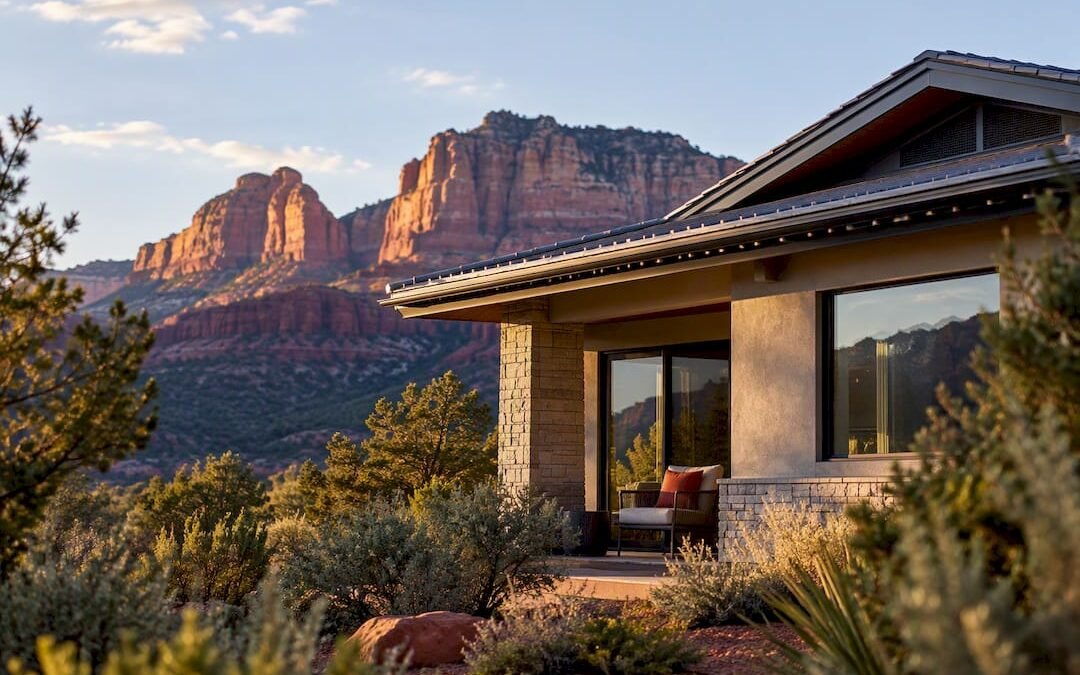
Yes, Sedona’s fire code and Wildland-Urban Interface rules commonly require sprinklers, ignition-resistant upgrades, and specific alarm supervision that Airbnb hosts must address. Sedona Fire District’s WUI classification drives strict rules for construction, and...
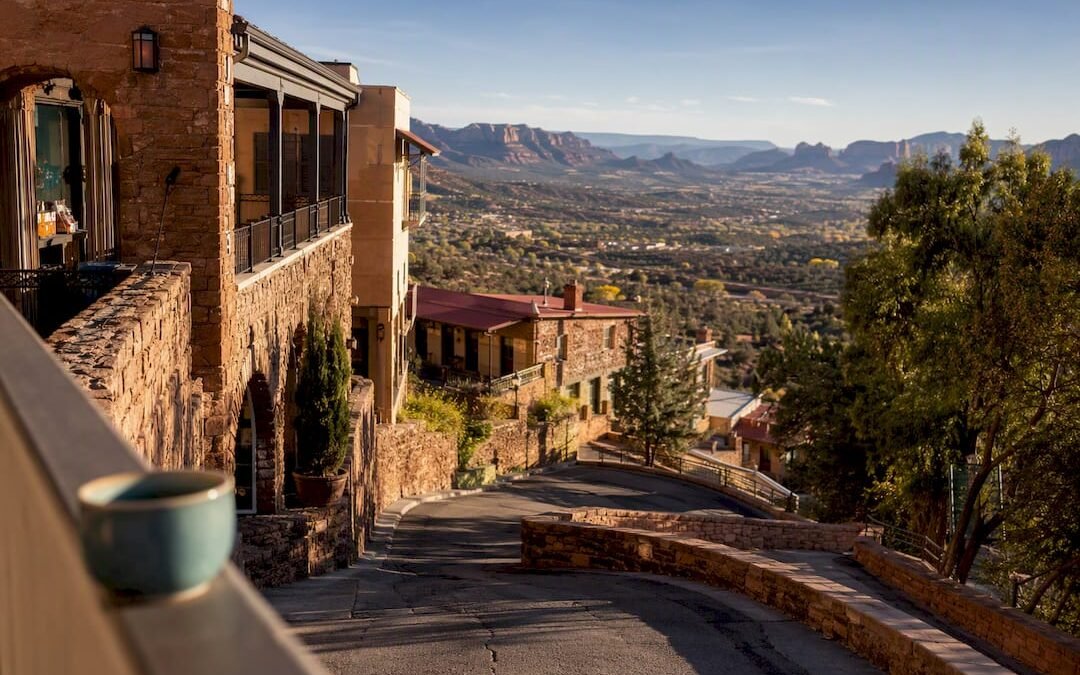
Jerome is a premium micro-market: high daily rates, painfully small inventory, and almost no room for a passive owner. AirDNA’s trailing-12-month snapshot puts Jerome’s average annual revenue near $33,100 at 47% occupancy and a $212 average daily rate, while other...
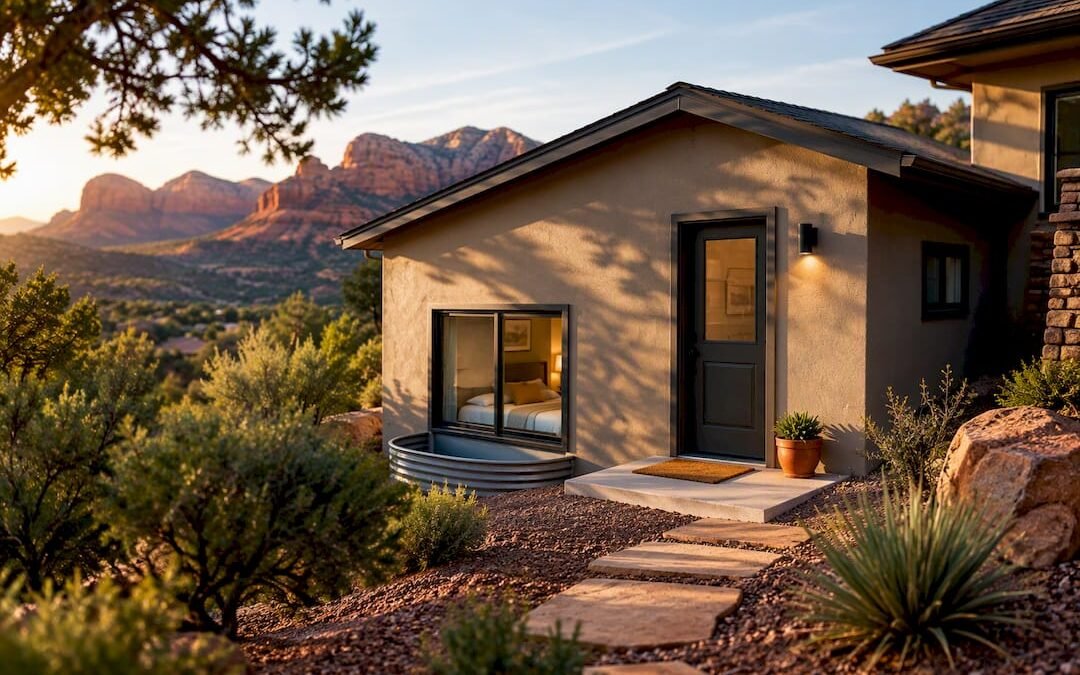
Short-term rentals are legal in Yavapai County, but only inside structures already permitted as habitable for overnight stays. Weddings, retreats, and other event uses are off the table entirely, and no property can legally host guests until it’s registered with the...
Yes, you can close on Arizona real estate without ever setting foot in the state. Arizona allows Remote Online Notarization, hybrid signings, and mail-away workflows, so the real question is which one your deal will use, not whether remote closing is possible. That...
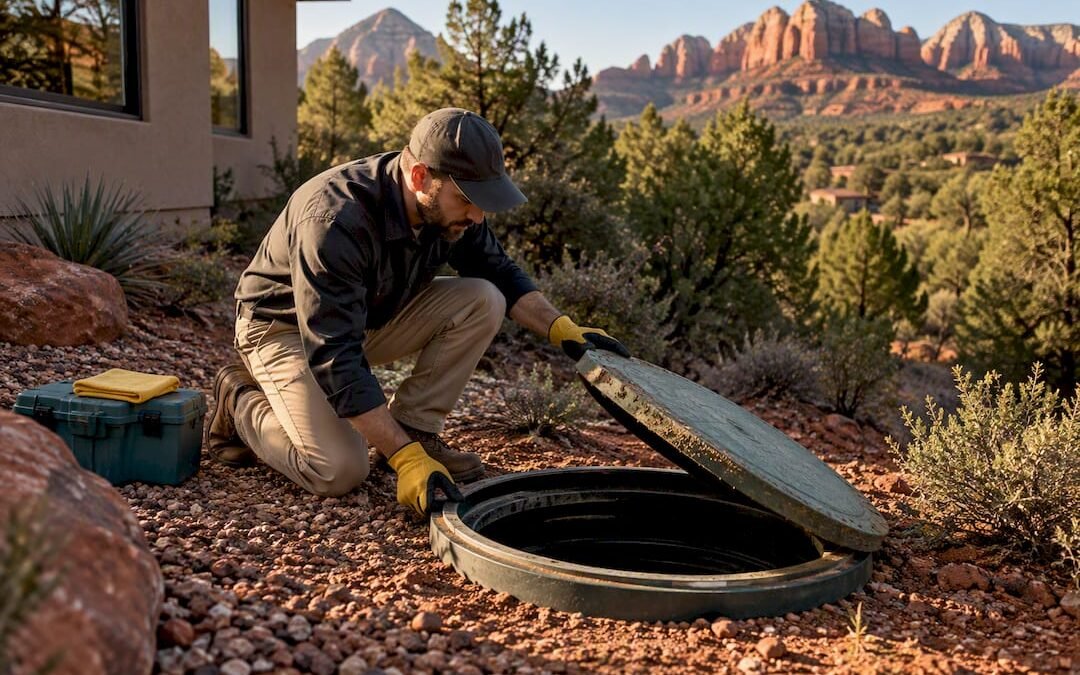
Yes, you can run a short-term rental on a Sedona property with a septic system, but the septic rules dictate what you can build, expand, or advertise. Sedona bans new private septic where city sewer is available, and your permitted bedroom count (not your imagination)...
Sedona treats parking violations as a fast track to permit trouble, and the fix comes down to three things: post your off-street parking limits in writing, make sure guests never block driveways, neighbors, or public streets, and keep an emergency contact reachable...