
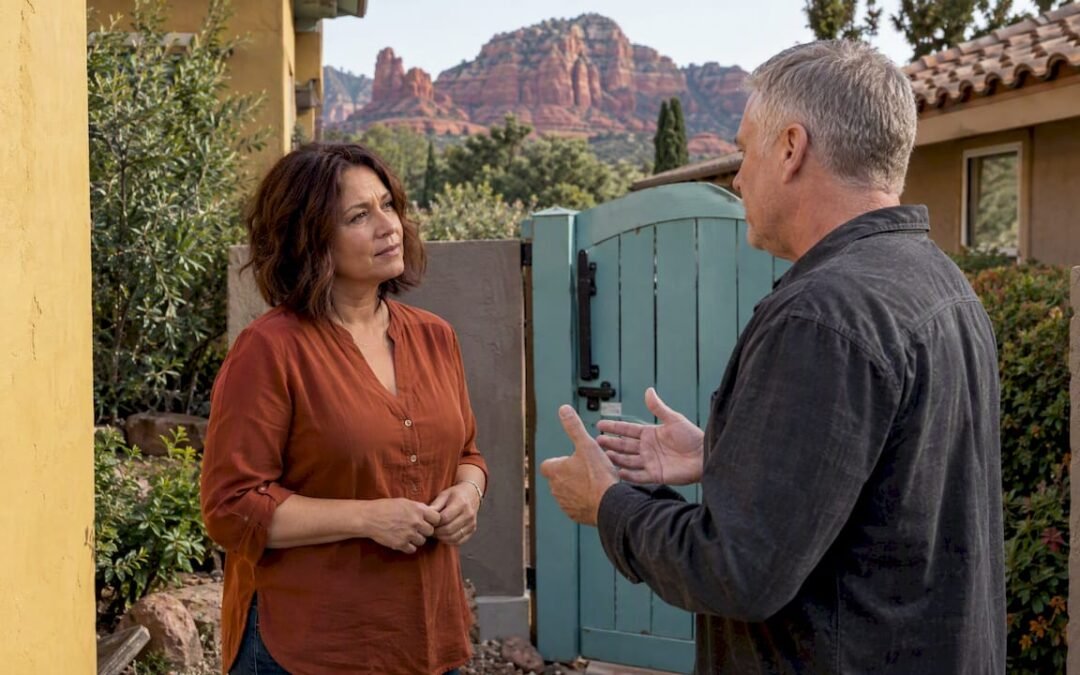
Sedona neighbors can lodge Airbnb complaints in several places: with the host, with Airbnb’s Neighborhood Support team, or with the city. Hosts who answer fast, keep records and set clear house rules usually see most problems fade. In a town where red rocks are the main attraction and hot tubs echo like stadium speakers, a little neighborly planning goes a long way.
This is a field guide in listicle form. It covers how complaints travel, what Sedona expects of hosts, and how a calm neighborhood protects a rental’s income and its eventual sale price.
TL;DR
- Neighbors can complain to the host, to Airbnb, or to local authorities, and Arizona law lets cities enforce noise and nuisance rules on rentals the same way they do for any home.
- Sedona’s visitor guidance points to quiet time from 9 p.m. to 7 a.m., plus trash in bins, dark skies and tidy parking.
- Under the city’s rules as summarized by one hosting guide, an emergency contact must respond within 60 minutes and answer non-emergencies within 24 hours.
- An independent log of incidents beats any hunch when a dispute drags on.
- A rental with a clean complaint history is easier to sell for top dollar.
Table of Contents
- 1. The complaint has three front doors
- 2. Sedona’s quiet hours are not a mystery
- 3. A real person has to pick up the phone
- 4. The neighbor notice is a peace treaty
- 5. Most complaints are about the usual suspects
- 6. Parties and events are the fast lane to trouble
- 7. Responding well: a short script
- 8. Keep a log, because memory is a terrible witness
- 9. Views, privacy and the neighbor who “owned” the sunset
- What a good neighbor policy looks like
- Why this matters for buying and selling
- Our perspective
- Thinking of buying or selling a Sedona rental?
- FAQ
- Sources
1. The complaint has three front doors
A neighbor with a gripe has options. They can knock on the host’s door, call the emergency contact, or go straight to Airbnb. Airbnb runs a dedicated Neighborhood Support page where community members can report a party, a noise issue or another neighborhood concern. Its Community Disturbance Policy explains that disruptive parties, events and noise are the kind of behavior it wants to avoid.
The third door is the city. Arizona’s state law, A.R.S. § 9-500.39, keeps a city’s power to regulate rentals for public health and safety, noise and nuisance included, as long as the rules apply to rentals the same way as to other residential property.
The quirky part: the quickest door to close is the first one. A neighbor who gets a friendly text back within minutes rarely bothers with the other two.
2. Sedona’s quiet hours are not a mystery
People searching for the Sedona noise ordinance mostly want one number. The Greater Sedona Chamber of Commerce’s Good Neighbor Brochure reminds visitors of the city ordinance asking for quiet time between 9 p.m. and 7 a.m. It also asks guests to keep trash in bins, turn off bright outdoor lights to honor the Dark Sky community, and park considerately.
One caution. Ordinances get amended, and a few third-party guides quote different hours. Hosts should confirm the current text with the City of Sedona before printing it in a welcome book.
Canyon walls make sound travel in odd ways. A laugh on a back deck can bounce across a ravine and land in a neighbor’s bedroom. Quiet hours on paper are only half the story, and the other half is where the deck faces.
3. A real person has to pick up the phone
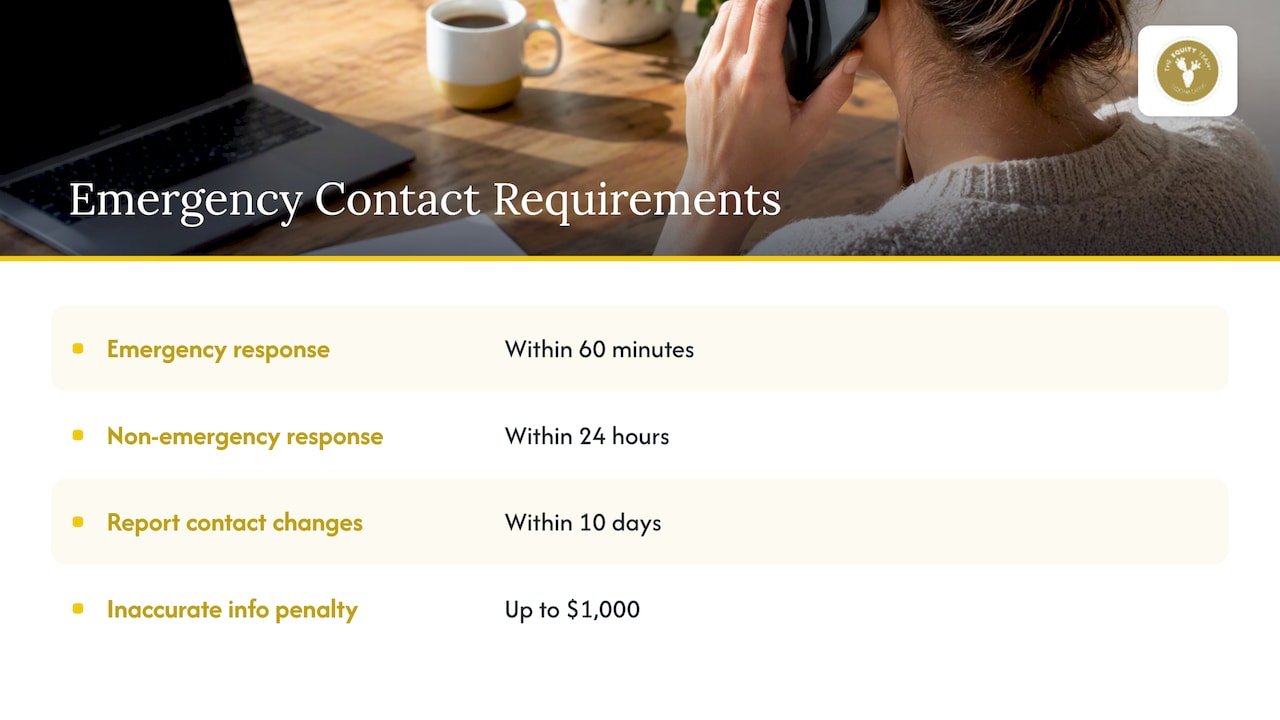
Sedona expects each rental to name an emergency contact. A Sedona rules summary says that person must be able to respond within 60 minutes for emergencies and within 24 hours for non-emergencies, and that changes go to the city within 10 days. Arizona law also lets cities charge civil penalties of up to $1,000 for failing to provide accurate emergency contact information, per the state statute.
That is not a typo-sized fine. A phone number that rings into a void can cost real money, and it turns a small noise gripe into a paperwork problem.
Our own write-up on avoiding $1,000 fines with an Arizona Airbnb checklist walks through the compliance basics.
4. The neighbor notice is a peace treaty
The same summary says Sedona hosts must notify neighbors directly adjacent to, directly across from, or diagonally across from the rental, in writing, with the permit number, the address and a 24-hour contact. Updates are due within five days of any change.
Think of it as a polite introduction before the first guest arrives. A neighbor who already has the host’s number is far less likely to vent online. For the exact steps, see our guide to the Sedona STR neighbor notice.
5. Most complaints are about the usual suspects
The top three are noise, parking and too many people. Lodgify’s host guide says complaints often come from a lack of clarity, not malice, and that reinforcing house rules automatically and being open about parking and trash turns conflict into routine tasks.
Sedona has its own twists on each:
- Noise: hot tubs, firepits and patio speakers after dark. Canyons amplify everything.
- Parking: narrow streets and steep driveways. Our breakdown of Sedona Airbnb parking rules under SCC §5.25 covers permit risk.
- Crowds: a group of ten in a house permitted for six. Sedona’s occupancy limits deserve a spot in every listing.
A fourth quiet culprit is light. Dark Sky pride is real here, and a floodlight aimed at the neighbor’s fence will get noticed.
6. Parties and events are the fast lane to trouble
The rules summary notes that Sedona rentals cannot host special events of any size, with citations, fines and permit revocation of up to one year among the consequences. A surprise wedding at sunset is charming until the permit disappears.
Hosts handle this with firm house rules, a clear no-events line in the listing, and a verified guest count. Sedona’s short-term rental restriction changes show how fast the local picture can shift, so it pays to check periodically.
7. Responding well: a short script
When a complaint arrives, the order matters. Experienced hosts tend to follow the same five moves:
- Acknowledge quickly. A reply within the hour is the goal, matching the city’s expectation for emergencies.
- Reach the guest. A polite call or message, with the house rules quoted.
- Confirm the fix. Ask the neighbor to say whether it worked.
- Write it down. Date, time, nature of the issue, action taken.
- Follow up the next day. A short thank-you works wonders.
Airbnb itself encourages hosts and neighbors to talk directly to resolve issues during a stay.
8. Keep a log, because memory is a terrible witness
On the neighbor side, BnBDetector’s guide advises that a record of specific dates, times, durations and types of disturbance carries more weight with officials than loose anecdotes. The same logic helps hosts. A log showing prompt responses on every complaint is a strong answer if the city ever asks questions.
Sedona neighbors also ask whether noise monitors are legal. That depends on what the device records and where it sits. Anything that captures audio, or points at a neighbor’s property, can raise privacy and recording-law questions, so check Airbnb’s current policy and speak with an Arizona attorney before installing one.
9. Views, privacy and the neighbor who “owned” the sunset
Sedona buyers pay for views, and neighbors guard them. Questions about view easements come up often. A view is generally protected only if a recorded easement or deed restriction says so, which is why title documents and HOA rules deserve a read before an offer. A real estate attorney or title company can confirm what is actually on record.
Then comes privacy. A hot tub with a canyon panorama can also have a clear sightline into the house next door. Smart hosts choose screening, tidy landscaping and deck placement that keep guests happy and neighbors unbothered.
What a good neighbor policy looks like
Sedona hosts sometimes write their own good neighbor policy. It is simply a one-page promise, handed to guests and shared with the neighbors:
- Quiet from 9 p.m. to 7 a.m., with outdoor speakers off earlier.
- Maximum guest count and parking spaces stated plainly.
- Trash bins in and out on schedule.
- Outdoor lighting low and shielded.
- A phone number that a human answers.
Pair it with a tidy amenity list that gives guests things to do besides hosting a late-night karaoke contest.
Why this matters for buying and selling
A noisy history is not just a headache. It is a line item. Buyers of high-earning rentals ask about permit status, complaints and neighbor relations, and sellers with tidy records can negotiate from strength. Income numbers are only as good as the permit that backs them, a theme we cover in our look at the current Sedona short-term rental climate.
For buyers, a quick walk around the neighborhood before an offer is worth the effort. Count the driveways, listen at dusk, and note how close the nearest full-time residents are.
Our perspective
We spend our days with owners who run rentals in the top tier of the Sedona market, and the pattern is consistent. The best performers rarely have the loudest guests. They have the clearest systems: a reachable contact, written rules, quick replies and neighbors who feel informed.
When we advise buyers, we look at the surroundings as carefully as the income history. A home that earns well and sits among tolerant neighbors is a calmer investment than one that earns slightly more but invites constant friction. When we advise sellers, we encourage them to gather their compliance records, notices and response logs before listing, because tidy paperwork reassures serious buyers.
Sedona is a quirky place, and neighbors here are fiercely protective of its quiet. Hosts who respect that are rewarded with fewer headaches and stronger resale value.
— Chad
Thinking of buying or selling a Sedona rental?
The Equity Team is a team of agents specializing in short-term rental investment in Sedona. Buyers can start at owninaz.com to talk through neighborhoods and rental performance. Owners planning an exit can request a vacation rental CMA and seller prep consultation, or explore exit strategies for Sedona rentals.
FAQ
Can a neighbor complain about an Airbnb next door?
Yes. Neighbors can speak to the host, report a disturbance through Airbnb’s Neighborhood Support, or contact local authorities. In Sedona, the city can enforce noise and nuisance rules on rentals the way it does for any residence.
What are the quiet hours in Sedona?
The Greater Sedona Chamber’s Good Neighbor guidance points to quiet time between 9 p.m. and 7 a.m. Check the current city ordinance for the final word, since rules can be amended.
Who should a Sedona host list as the emergency contact?
A real person who can respond within 60 minutes for emergencies and within 24 hours for other concerns, according to a summary of the city’s rules. Keep the number current, because Arizona law allows civil penalties of up to $1,000 for inaccurate emergency contact information.
Does a complaint history affect resale?
It can. Buyers of income-producing rentals tend to ask about permit standing and neighbor relations, so clean records and documented responses help. A local agent can show how that plays out in a specific neighborhood.
Sources
- A.R.S. § 9-500.39, Arizona Legislature
- Educating visitors to be a good neighbor, Greater Sedona Chamber of Commerce
- Airbnb Neighborhood Support
- Airbnb Community Disturbance Policy
- Airbnb: when a neighbor reports an issue
- Sedona Short-Term Rental Regulations, Lodgify
- How to Address (and Prevent) Airbnb Neighbor Complaints, Lodgify
- How to Complain About an Airbnb Next Door, BnBDetector