
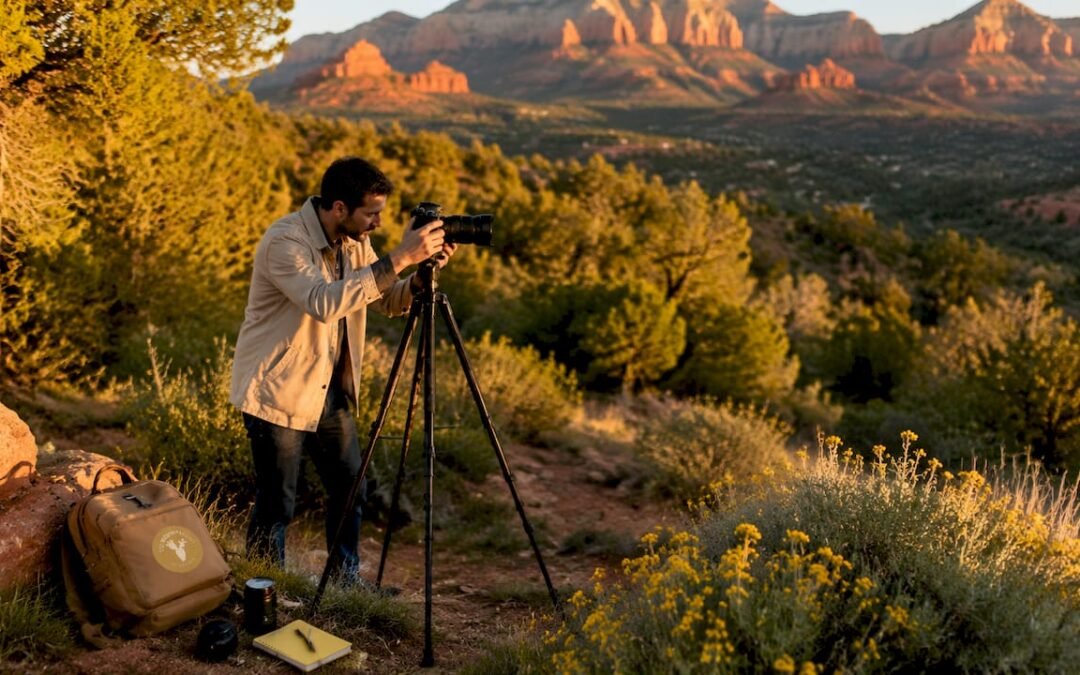
Sedona listing photography best practices are defined as a deliberate combination of quality, timing, composition, and compliance that turns a property into a visual story buyers cannot ignore. Listings with 20 or more high-quality photos sell 32% faster, and that number alone explains why agents and short-term rental owners in Sedona treat photography as a core marketing investment, not an afterthought. Sedona’s red rock backdrop, vibrant desert flora, and serene outdoor living spaces give every property a built-in advantage. The trick is capturing that advantage without running into Arizona MLS compliance rules that carry fines up to $5,000 per infraction.
1. Sedona listing photography best practices start with photo sequence
The order of photos matters as much as the photos themselves. Top agents treat listing images as an orchestrated visual environment designed to guide buyer emotion from the first click to the last scroll. A random collection of rooms and angles loses buyers fast. A deliberate sequence keeps them engaged.
The ideal sequence for a Sedona property looks like this:
- Hero exterior shot at twilight. Warm golden light against red rock formations creates instant emotional impact. This is the thumbnail that wins the click.
- Living and common areas. Wide-angle lenses show spaciousness. Declutter before shooting so the room breathes.
- Kitchen and dining. Buyers spend a lot of mental time in these rooms. Give them two or three angles.
- Bedrooms and bathrooms. Clean, bright, and simple. One strong angle per room is enough.
- Outdoor living spaces. Patios, fire pits, and pools with red rock views are Sedona’s secret weapon. These photos sell the lifestyle.
- Drone aerial shots. Show the property’s relationship to the surrounding terrain, view corridors, and neighborhood context.
- Virtual staging for vacant rooms. Empty rooms feel cold and small. Virtual staging shows buyers what a furnished space could look like.
Pro Tip: Shoot the hero exterior at twilight even if the interior photos happen during the day. Buyers forgive a scheduling split. They do not forgive a flat, washed-out front photo.
2. How natural lighting and timing improve Sedona listing photos
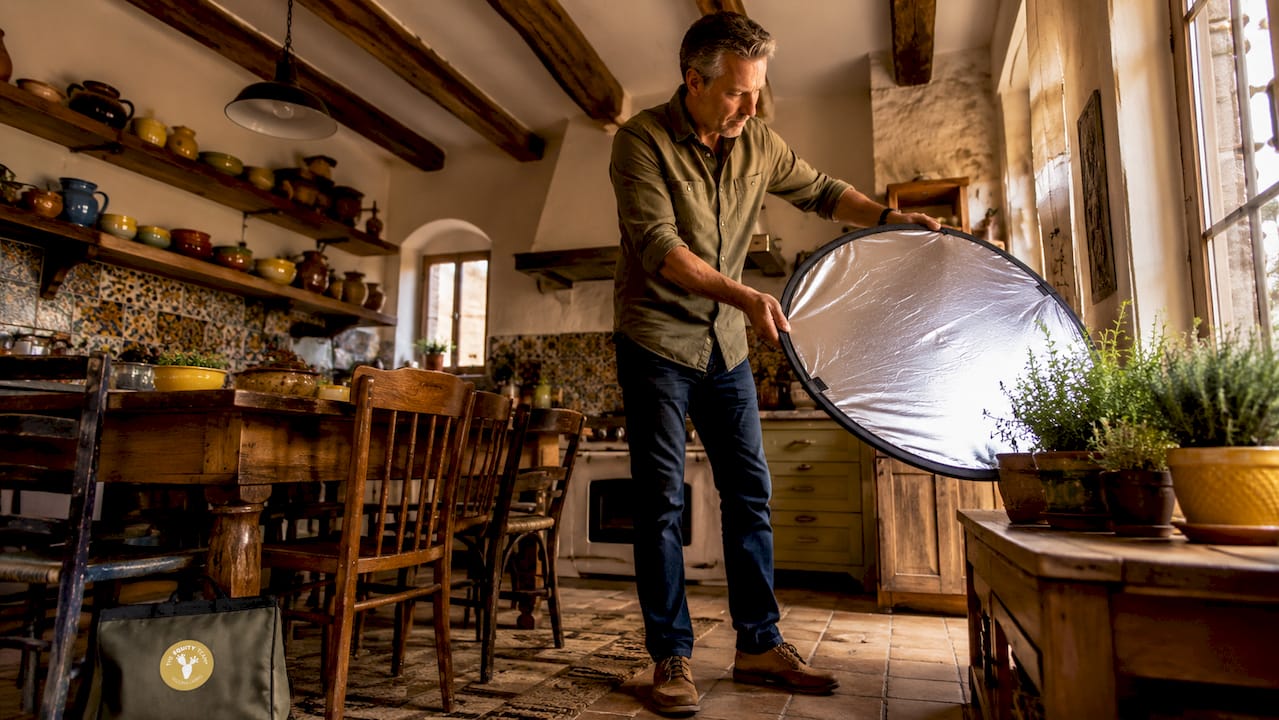
Arizona’s sun is intense, and Sedona’s high-desert elevation makes it even more unforgiving at midday. Scheduling shoots during golden hours prevents the harsh shadows and overexposure that flatten a property’s best features. Golden hour runs roughly 30–60 minutes after sunrise and before sunset.
Here is what timing controls in a Sedona shoot:
- Exterior hero shots: Dusk light wraps the facade in warm amber tones that feel inviting rather than clinical.
- Pool and water features: Late afternoon sun creates sparkle without glare. Midday turns pools into white blobs.
- Desert flora and landscaping: Saguaros and juniper trees look lush in soft light. Harsh noon sun bleaches them out.
- Mountain and red rock views: The famous Sedona glow happens at golden hour. Shooting at 2:00 PM misses it entirely.
- Interior rooms with large windows: Morning light from the east fills rooms naturally. Afternoon light from the west can blow out west-facing windows.
Indoors, reflectors and diffusers soften the contrast between bright windows and shadowed walls. Bracketed exposures and HDR editing give photographers the dynamic range to balance a sunlit window against a dark interior without losing detail in either. This technique is standard practice for Sedona properties with panoramic views, where the view and the room both need to look great in the same frame.
Pro Tip: Bring a collapsible reflector to every interior shoot. A $30 reflector fixes a lighting problem that would otherwise cost an hour of editing.
3. What Arizona MLS rules and technical standards Sedona listings must follow
Arizona MLS compliance is not optional, and the 2026 rules are specific. Violations carry fines up to $5,000 per infraction, which makes a quick compliance checklist worth every second it takes.
The core rules every Sedona agent and rental owner needs to know:
- No watermarks or branding. Agent logos, brokerage names, and website URLs on photos are prohibited. This applies to virtual staging exports too.
- Resolution and format standards. High-definition images are required. Low-resolution or heavily compressed files get rejected.
- Photo count limits. ARMLS permits up to 80 photos per listing, which gives agents room to tell a full visual story across interior, exterior, and lifestyle categories.
- Virtual staging disclosure. Any virtually staged image must be labeled as such. Some virtual staging software exports images with undisclosed branding watermarks that trigger violations. Always check the export before uploading.
- AI editing disclosure. Images altered with AI tools beyond standard color correction and exposure adjustments require disclosure in 2026.
- Mobile optimization. Images must load cleanly on smartphones, where the majority of listing searches originate.
The compliance piece trips up even experienced agents because the rules update annually. Building a pre-upload checklist into the workflow catches problems before they become $5,000 mistakes.
4. How to optimize Sedona listing photos for mobile-first viewers
70% of real estate searches originate on mobile devices. That statistic means every photo decision should be tested on a phone screen before it goes live. A photo that looks stunning on a desktop monitor can look muddy and cropped on a 6-inch screen.
Mobile optimization for Sedona listings comes down to a few concrete habits:
Thumbnail clarity first. Hero photos must work as tiny grid images before they work as full-screen views. If the red rock view disappears in the thumbnail, the photo loses its job. Shoot with the thumbnail crop in mind.
File size under 5MB. Large files load slowly on mobile networks. Slow loading kills engagement before the buyer ever sees the property. WebP format delivers high visual quality at smaller file sizes than JPEG, making it a practical choice for listing uploads.
Sequence for a 15-second scroll. Photo order should communicate the property’s core value within 15 seconds of a buyer scrolling through. Lead with the hero exterior, follow with the most impressive interior space, then move to outdoor living. Do not bury the red rock view on slide 14.
Pro Tip: Before submitting photos to MLS, pull up the listing on your own phone and scroll through it as a buyer would. You will catch cropping problems and slow-loading files that desktop review misses entirely.
5. What preparation steps make Sedona photo shoots successful
Great Sedona listing photos start before the photographer arrives. A solid pre-shoot checklist removes the variables that turn a good shoot into a mediocre one.
- Declutter every room. Remove personal items, excess furniture, and anything that makes a space feel smaller. Stage with simple, locally inspired decor that nods to Sedona’s earthy palette without overwhelming the space.
- Set camera height at 4–5 feet. Shooting at 4–5 feet creates a realistic sense of scale that matches how a person actually experiences a room. Shooting too low makes ceilings disappear. Shooting too high makes rooms look like dollhouses.
- Shoot multiple angles and bracketed exposures. Bracketed exposures give the editor the raw material for HDR processing. Multiple angles give the agent options. Both cost a few extra minutes on set and save hours of reshooting.
- Schedule around weather and wind. Sedona’s afternoon winds kick up dust and move patio furniture. Morning shoots avoid both problems. Check the forecast and build a weather contingency into the schedule.
- Confirm FAA certification for drone pilots. Aerial photography over Sedona requires an FAA Part 107 certified pilot. Flying without certification creates legal exposure and risks MLS rejection of the drone images. Verify the pilot’s credentials before booking.
- Plan aerial shot angles in advance. Drone shots that show the property’s relationship to Cathedral Rock or Bell Rock are worth planning. A quick Google Earth review before the shoot identifies the best flight paths and angles.
Preparation also means coordinating with the homeowner or property manager on timing. A beautifully staged home with a car in the driveway and a garden hose across the front path is a wasted shoot. Arizona relocation and staging guides consistently point to pre-shoot property prep as one of the highest-return activities in the listing process.
Key takeaways
Sedona listing photography requires a deliberate sequence, golden-hour timing, ARMLS compliance, and mobile-first formatting to maximize buyer engagement and accelerate sales.
| Point | Details |
|---|---|
| Photo sequence drives emotion | Start with a twilight hero exterior, then move through interiors to outdoor living and drone shots. |
| Golden hour is non-negotiable | Shoot 30–60 minutes after sunrise or before sunset to avoid harsh shadows and capture Sedona’s famous glow. |
| ARMLS compliance protects your income | No branding on photos, disclose virtual staging, and stay within the 80-photo limit to avoid $5,000 fines. |
| Mobile-first means thumbnail-first | Every hero photo must work as a small grid image, and files should stay under 5MB for fast mobile loading. |
| Prep determines photo quality | Declutter, set camera height at 4–5 feet, confirm FAA drone certification, and schedule around morning weather. |
What I’ve learned about Sedona listing photography after years in this market
Sedona is one of those rare places where the setting does half the work for you, and agents still manage to photograph it badly. I have seen listings for properties with Cathedral Rock views where the hero photo was a dim living room shot taken at noon. The view was on slide 11. By slide 11, most buyers have already moved on.
The biggest mindset shift I have seen in agents who consistently get strong results is treating photography as storytelling, not documentation. Documentation shows what a property has. Storytelling makes a buyer feel what it would be like to live there. Those are very different goals, and they produce very different photo sets.
Lighting in Sedona is genuinely tricky. The sun is bright, the sky is often cloudless, and the red rocks create unusual color casts in afternoon light. Agents who try to shoot at 1:00 PM to fit a busy schedule consistently get flat, uninviting images. The ones who protect their golden-hour windows, even when it means an early morning call time, get photos that look like the property belongs in a magazine.
Compliance is the unglamorous part of this work, but it matters more than most agents realize. A $5,000 fine for a watermarked photo is a bad day. Getting a listing rejected and relaunching it costs momentum in a market where Sedona real estate trends move fast. Build the compliance checklist into the workflow and stop treating it as optional.
The trend toward integrated drone and virtual staging images is real, and it is not going away. Buyers who find Sedona properties through short-term rental investment searches expect a full visual package. Drone shots that show the terrain, virtual staging that shows the potential, and a tight photo sequence that tells the story in 15 seconds. That is the standard now.
— Chad
Equity Team and Sedona short-term rental listings
Sedona’s short-term rental market rewards properties that present well, and presentation starts with photography. Equity Team works exclusively with agents and investors in the top 10% of Sedona’s STR market, which means the team understands exactly what buyers and renters respond to when they browse listings.
Equity Team’s resources cover everything from finding the right STR investment property to understanding how listing presentation affects nightly rates and occupancy. For agents and rental owners who want to see how photography fits into a broader investment strategy, the Sedona luxury market overview is a practical starting point. Equity Team brings local expertise that generic photography guides simply cannot replicate.
FAQ
How many photos should a Sedona MLS listing include?
ARMLS permits up to 80 photos per listing. Listings with 20 or more high-quality photos sell 32% faster, so agents should aim for at least 20 and use the full allowance when the property warrants it.
What time of day is best for Sedona real estate photography?
Golden hour, roughly 30–60 minutes after sunrise or before sunset, produces the best results. Midday sun creates harsh shadows and washes out Sedona’s signature red rock colors.
Do virtual staging images need disclosure on Arizona MLS?
Yes. Arizona MLS rules require disclosure for virtually staged images. Agents should also verify that virtual staging software exports clean files without embedded watermarks, which can trigger compliance violations.
Does drone photography require special certification in Sedona?
Yes. Aerial photography for commercial real estate listings requires an FAA Part 107 certified pilot. Flying without certification creates legal risk and can result in MLS rejection of the aerial images.
How does mobile optimization affect listing photo performance?
Since 70% of real estate searches happen on mobile devices, photos must load quickly and look clear on small screens. Files should stay under 5MB, and hero photos must read well as small thumbnails in listing grids.