

An inspection repair addendum is the written record of what a buyer wants fixed, credited or otherwise resolved after a home inspection, and what the seller agrees to do about it. In Arizona, the buyer usually starts with a form called the BINSR (Buyer’s Inspection Notice and Seller’s Response), and an addendum captures whatever the two sides settle on. Think of it as the receipt for a negotiation that, in Sedona, sometimes involves a red rock view, a 1970s water heater and a very surprised crawl space.
This guide walks through how the paperwork works, how to write a request that gets a yes, how sellers can respond without panic, and where a pre-listing inspection fits in.
TL;DR
- In Arizona, the buyer lists disapproved items on the BINSR, and an addendum documents the agreed fix, credit or alternative.
- A good request is numbered, specific, tied to the contract, and gives a dollar figure for any credit.
- Sellers can agree, decline, or counter with different terms, including a price credit instead of repairs.
- Lenders and insurers can add their own repair demands, so read those requirements before you negotiate.
- A seller pre-inspection can surface problems early, and it works best when paired with a clear disclosure plan.
Table of Contents
- What an inspection repair addendum actually is
- Repair, credit or walk: the buyer’s options
- What to put in a repair addendum
- How sellers respond
- When the lender or insurer joins the conversation
- Seller pre-inspections in Sedona
- Choosing a home inspector in Arizona
- Perspective: how we coach clients through repair requests
- Getting ready before the inspector arrives
- Common mistakes that sour repair negotiations
- Buying or selling a Sedona rental? Start with a plan
- FAQ
- Sources
What an inspection repair addendum actually is
Picture the timeline. A buyer and seller sign a purchase contract. The buyer hires an inspector. The inspector produces a report that is long, thorough and occasionally alarming. Now the buyer has to decide what matters.
That decision gets written down. In Arizona, the BINSR is a notice document where the buyer identifies disapproved items, and when it applies, the parties use an addendum to address them, according to the Arizona Association of REALTORS. Other states use different names (some call it a repair request or amendment), but the job is the same: turn a pile of inspection findings into a clear, signed agreement.
The timing is set by the contract. One Arizona mortgage broker’s summary says buyers typically have 10 days to complete inspections and send the BINSR, and sellers typically have 5 days to respond. Your actual deadlines come from your signed contract, so check it, and ask your agent to put the dates on a calendar the day you go under contract. If you want the bigger picture of how those dates stack up, our Sedona home purchase timeline lays out the whole run from offer to keys, and our guide to what a real estate purchase contract is explains the document that sets the clock.

Repair, credit or walk: the buyer’s options
A buyer who disapproves of inspection findings generally has a few paths:
- Ask for repairs. The seller fixes specific items before closing.
- Ask for a credit or price reduction. The buyer takes the money and handles the work after closing.
- Ask for a mix. Safety items get repaired, cosmetic ones get a credit.
- Cancel. If the contract is contingent on a satisfactory inspection, the buyer may cancel without penalty if dissatisfied with the results, per the Consumer Financial Protection Bureau.
The CFPB also notes that whether a seller agrees to pay for repairs depends on the purchase contract and local market conditions. That last phrase matters in Sedona. A well-priced home with several interested buyers gives a seller more room to say no. A home that has sat for a while gives the buyer more room to ask.
Credits deserve a second look. Some buyers prefer them because the money stays in their hands and they choose their own contractor. Sellers often prefer them because they skip the scheduling headaches. Credits come with their own limits, particularly with financed purchases, which we cover in our breakdown of Sedona seller concessions and loan caps.
What to put in a repair addendum
Vague requests get vague answers. “Fix the plumbing” invites a shrug. “Replace the corroded supply line under the kitchen sink, per inspection report page 14, item 3” invites a plan.
A solid addendum follows a simple pattern. One published guide recommends a numbered list tied to the purchase contract, with each finding, requested work, scope, trade and any credit’s dollar figure, signed and dated by both parties. Here is how that looks in practice.
| Element | What to write | Why it helps |
|---|---|---|
| Item number | A numbered line for each issue | Lets both sides accept or decline item by item |
| Inspection reference | Report page and photo number | Removes arguments about what the inspector meant |
| Requested work | Repair, replace, evaluate or credit | Makes the ask unmistakable |
| Trade | Plumber, electrician, roofer, HVAC technician | Sets who should do the work |
| Dollar figure | A specific credit amount if you want money instead | Gives the seller something to answer |
| Signatures and dates | Both parties sign | Makes it part of the deal |
A few habits make the list stronger:
- Lead with safety and function. Active leaks, electrical hazards, gas appliance problems and failing HVAC systems belong at the top. Scuffed baseboards belong nowhere.
- Attach quotes when you can. A digital inspection report can be shared with the seller’s agent and contractors for repair quotes, which turns “it seems expensive” into a number.
- Ask for what your lender or insurer requires. More on that below.
- Keep it short enough to be read. A buyer who requests every item on a 60-page report tends to get a counter that sounds tired.
The licensed contractor rule in Arizona
Here is a detail that surprises people. Under the Arizona Association of REALTORS’ summary of the purchase contract, a licensed contractor is required for agreed corrections when the aggregate contract price including labor and materials is $1,000 or more, the work is not casual or minor, or the work needs a local building permit. So if a seller says the cousin who “does a little of everything” will handle the new water heater, the contract may have something to say about it. Ask your agent to check the language in your specific contract before the work is agreed.
How sellers respond
A seller who receives a BINSR is not obligated to say yes to everything. The Arizona Association of REALTORS notes that a seller may decline to sign the buyer’s addendum and offer different terms, including an alternative to performing repairs. That gives sellers three basic moves:
- Agree to the requested repairs or credits.
- Agree in part, fixing safety items and declining cosmetic ones.
- Counter with a different remedy, such as a credit in place of repairs.
If the response is a partial agreement, the buyer then decides whether to accept or cancel. In the process described by that mortgage broker, the buyer typically gets additional days to accept or walk away after a partial offer, but again, your contract controls.
A calm way to answer
Sellers who handle this stage well tend to do a few things:
- Read the whole request before reacting. The first pass always feels worse than the second.
- Sort items into three piles: must fix, willing to fix, and will not fix.
- Get contractor quotes so the response rests on real prices.
- Offer a credit where a repair would be slow or hard to schedule.
- Respond in writing, within the deadline, with the item numbers the buyer used.
If you are selling a vacation rental, the pile of repair items may look different. Guest-facing wear, hot tubs, decks and extra appliances all show up in reports. Our Sedona vacation rental amenity guide shows which features buyers expect to see working, and our multiple offers guide for Sedona sellers explains how repair requests change when more than one buyer is in the picture.
When the lender or insurer joins the conversation
Repair talks do not always belong only to the buyer and seller. The CFPB explains that some loan programs require a property to meet specified standards, and an appraisal may say the home is subject to repairs. For major work, like a new roof, the lender can require the work before closing or ask the buyer to put enough money in a special account to pay for it right after closing.
Lenders may also want paperwork. One housing nonprofit’s overview says they may require an addendum stating repairs have been addressed, paid invoices and receipts, and a lien waiver if a licensed contractor did the work. Hang on to every receipt. Sellers who fix things and then lose the paperwork can cause a closing delay all by themselves.
Insurance is another piece. A Pennsylvania example shows how a contract can handle a required repair list from an insurer: the seller may perform the repairs, and if the seller declines, the buyer may do them or terminate, depending on the agreement. That is one state’s contract language, not an Arizona rule, but it shows why buyers should get insurance questions answered early. In Sedona, that includes wildfire exposure, which we cover in our wildfire steps for protecting escrow.
Seller pre-inspections in Sedona
Some sellers skip the suspense and inspect first. A pre-listing inspection is a formal property evaluation commissioned by the seller before listing, and the main upside is that sellers can address or disclose issues before a buyer’s inspector finds them, which cuts the odds of an unexpected renegotiation.
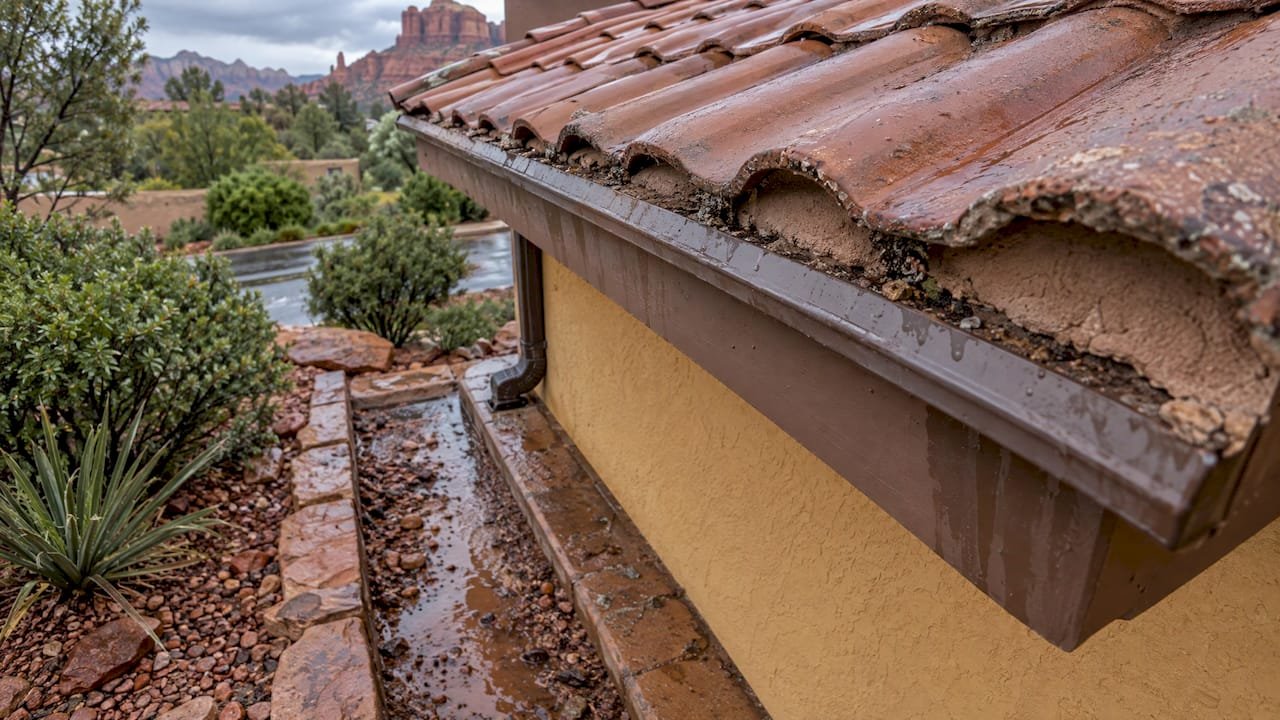
Inspectors typically look at heating and cooling, plumbing, electrical, structure, foundation, roof, and interior and exterior elements. In Sedona, that list tends to pick up some local flavor: monsoon-season roof and drainage wear, swamp-cooler or aging HVAC equipment, hard-water scale, and septic systems on some properties.
Pairing the inspection with disclosure
A pre-inspection report is information, and Arizona sellers are expected to share what they know. The Arizona Association of REALTORS’ seller advisory says sellers are obligated by law to disclose all known material facts about the property and recommends attaching available inspection reports to the disclosure statement. So the smart play is to decide before ordering the report how you will handle what it finds: repair, disclose, or both. Our guides on Sedona property disclosure requirements and what to fix, skip and disclose before listing walk through those decisions.
When a specialist should look first
For structural findings, active water intrusion or HVAC failures, get an evaluation from a licensed contractor or engineer before deciding how to fix them. The same goes for specialty features. A property with a pond or lakefront edge, for example, may need a specialist look at water quality, aeration and shoreline upkeep, and a resource on pond and lakefront management shows what routine care for those features includes. A report line that says “evaluate” is an invitation to call the right trade, and a quote in hand makes any credit negotiation easier.
Choosing a home inspector in Arizona
The inspector shapes everything that follows, so choose with care. Arizona law requires fee-based home inspectors to be certified. Under the state statute, they must file required financial assurance and provide a valid fingerprint clearance card for initial certification. The financial assurance can take the form of errors and omissions insurance ($200,000 aggregate and $100,000 per occurrence), a $25,000 bond, or proof of at least $25,000 in net assets, and inspectors must pass a board-approved exam and course.
A practical checklist for buyers and sellers:
- Confirm current certification with the Arizona Board of Technical Registration before hiring.
- Ask for a sample report. You want photos, clear descriptions and a sense of how the inspector separates urgent from routine.
- Ask about errors and omissions coverage. One lender’s glossary suggests asking directly whether the inspector carries errors-and-omissions insurance.
- Check professional directories such as ASHI and InterNACHI, which the same glossary recommends for finding inspectors.
- Ask about experience with short-term rentals, hot tubs, decks and older Sedona construction, since those are common trouble spots.
Your agent can share names of inspectors that clients have used, but you should still run the checks above. The choice is yours.
Perspective: how we coach clients through repair requests
We have watched plenty of Sedona deals wobble over a repair list that was really a communication problem. The buyer asks for forty things, the seller hears forty insults, and everyone forgets that the view is still spectacular.
Our approach is to treat the addendum as a negotiation tool and keep it practical. For buyers, we sort the report into what affects safety, what affects function, and what affects income if the property will operate as a short-term rental. A broken dishwasher is an annoyance. A failing HVAC unit in July, with guests booked, is a revenue problem. That sorting shapes what we ask for and how we price it.
For sellers, we like to see problems before a buyer’s inspector does. We help owners decide what to fix, what to credit and what to disclose, and we gather quotes so the response is grounded in real numbers. As the first agents specialized in Northern Arizona short-term rentals, we know how these homes are used, which is exactly the lens that matters when a report starts listing wear and tear.
Every deal is different, and contract language and timelines come from your signed documents. We make sure our clients know those dates before the inspector arrives.
Chad
Getting ready before the inspector arrives
Buyers and sellers can both do homework that makes the addendum stage smoother.
Buyers
- Read the inspection and repair provisions in your contract on day one.
- Book the inspector early, since good ones fill their calendars.
- Attend the inspection if you can. Seeing the water heater and the roof makes the report make sense.
- Decide in advance which items are dealbreakers and which are negotiable.
- Talk to your lender and insurer about any repair requirements before sending the request.
Sellers
- Fix the small stuff first: leaky faucets, loose handrails, burned-out bulbs, missing GFCI covers.
- Gather permits, receipts and warranties for past work.
- Consider a pre-inspection and decide in advance how you will handle what turns up.
- Line up reliable contractors so you can get quotes within a day or two.
- If the home is an active rental, plan inspection access around guest stays.
Owners who are weighing a sale and not sure what condition work will pay off can start with our walkthrough on how to prepare a Sedona rental for sale, which also covers tax traps worth knowing about.
Common mistakes that sour repair negotiations
- Asking for cosmetic fixes. Most contracts and most sellers treat inspection as a way to find material problems, not to redecorate.
- Missing the deadline. A request sent late may not carry the rights you expected.
- Using vague language. If the addendum does not say what work, by which trade, to what standard, expect a disagreement at the final walkthrough.
- Skipping the receipts. Lenders, buyers and future sellers may all want proof.
- Hiring unlicensed help for work that needs a license. Review the Arizona thresholds above.
- Treating the process as a fight. Both sides want the same thing: a closing.
It also helps to have an agent who negotiates these regularly. If you are interviewing agents, our list of red flags to avoid in a top Sedona agent is a decent place to begin.
Buying or selling a Sedona rental? Start with a plan
Repair addenda are easier when your agent has seen how short-term rental homes age and what buyers in that market expect. We represent buyers and sellers of Sedona short-term rentals and high-performing homes. If you are preparing to list, request a Sedona vacation rental CMA and seller prep consultation to talk through pricing and condition before the inspector ever arrives.

Buying instead? Our buyer and seller representation team can walk you through the inspection period, step by step.
FAQ
What is the difference between a BINSR and a repair addendum?
The BINSR is the Arizona form where the buyer lists disapproved items after inspection and the seller responds. A repair addendum is the signed agreement that records what the parties settle on. Some transactions use both, depending on how the negotiation unfolds.
Does a seller have to make every repair a buyer requests?
No. A seller may decline to sign the buyer’s addendum and offer different terms, including an alternative to repairs. If the buyer’s contract includes a satisfactory-inspection contingency, the buyer can usually cancel if the response is unacceptable, subject to the contract’s deadlines.
Should I get a pre-inspection before selling in Sedona?
Many sellers do, because it lets them fix or disclose problems before a buyer’s inspector finds them. Arizona sellers must disclose known material facts, so decide how you will handle the findings first. A local agent can help you sort what to repair and what to credit.
Can a credit replace repairs?
Often, yes, if the seller agrees. A credit should be written as a specific dollar figure in the addendum. With financed purchases, lender limits on seller concessions may apply, so check them before you agree on an amount.
What should I check about an Arizona home inspector?
Confirm that the inspector is certified in Arizona, ask about errors-and-omissions coverage, and request a sample report. State law requires fee-based inspectors to be certified and to maintain financial assurance.
Sources
- Arizona Association of REALTORS: Revised Purchase Contract and BINSR
- Arizona Mortgage Brothers: Arizona BINSR
- Consumer Financial Protection Bureau: Schedule a home inspection
- Kept: Repair addendum after a home inspection
- Opendoor: What do home inspectors look for
- Tucson-area Habitat for Humanity: What are repair addendums
- Pennsylvania Association of Realtors: Homeowner’s insurance forms
- National Home Inspection Authority: Pre-listing home inspection
- Arizona Association of REALTORS: Residential Seller Advisory
- Arizona Revised Statutes 32-122.02: Certification of home inspectors
- AmeriSave: Pre-inspection glossary