
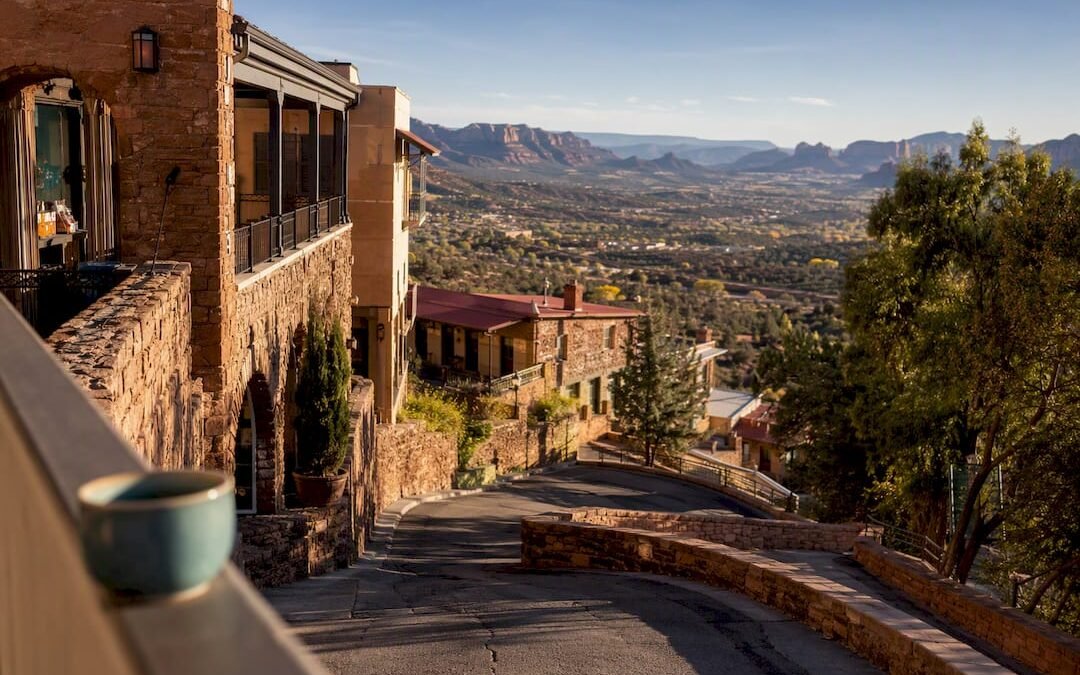
Jerome is a premium micro-market: high daily rates, painfully small inventory, and almost no room for a passive owner. AirDNA’s trailing-12-month snapshot puts Jerome’s average annual revenue near $33,100 at 47% occupancy and a $212 average daily rate, while other trackers show ADRs well over $370 in peak months. Jerome rewards a differentiated, hands-on listing and punishes anyone trying to compete on price alone. If that sounds like your lane, model a premium scenario before you make an offer.
TL;DR:
- Use a trailing-12-month revenue estimate around $33,100 and an ADR near $212 for conservative projection, rather than peak-month figures over $370.
- Expect spring (March to May) as the peak booking season with occupancy reaching nearly 70%, while summer and post-holiday periods see significantly lower demand.
- Focus on comps that match property specifics such as bedroom count, view, and proximity to Main Street, as Jerome’s small, diverse inventory causes volatility in averages.
- Prioritize RevPAR as a key metric, recognizing that well-managed listings with lower ADR but higher occupancy outperform high-rate, inconsistent bookings.
- Verify current local regulations, including registration, taxes, HOA rules, and hillside infrastructure conditions, before purchasing or listing in Jerome.
Table of Contents
- Jerome Airbnb Investment: What the Market Data Actually Shows
- When Does Jerome Book Best?
- What Does Jerome’s Airbnb Supply Actually Look Like?
- How to Model Jerome Airbnb Property Revenue
- Regulatory and Community Factors Every Jerome Investor Should Know
- The Physical Risks Hiding in Jerome’s Historic Homes
- How to Underwrite a Jerome Short-Term Rental Listing
- Local Evidence Behind This Jerome Airbnb Investment Advice
- Which Jerome Neighborhoods Actually Attract Airbnb Guests?
- Who Books a Jerome Airbnb, and Why?
- How to Market a Jerome Airbnb Listing
- Airbnb vs. Other Jerome Real Estate Investments
- Will Jerome Property Values and Rental Income Keep Rising?
- How Competitive Is the Jerome Short-Term Rental Market?
- Why Jerome Rewards Patience Over Speed
- Ready to Underwrite a Jerome Property the Right Way?
- Sources
- FAQ
Jerome Airbnb Investment: What the Market Data Actually Shows
Jerome’s short-term rental supply is tiny, which is exactly why the numbers jump around depending on who’s counting. AirDNA lists 118 active listings in its most recent snapshot, while other trackers report slightly different counts because they pull from different booking channels and update on different cycles. A town with a few dozen active listings will show real swings in ADR and occupancy from one dataset pull to the next, simply because a handful of new listings or a few canceled bookings move the average more than they would in a market with thousands of units.
Here’s how the three major providers stack up for a Jerome vacation rental guide:
- AirDNA (trailing 12 months, August 2026 snapshot): $212 ADR, 47% occupancy, roughly $33,100 average annual revenue.
- AirROI (June 2025 to May 2026 window): average annual revenue near $38,304, with an example listing at $428 ADR and 33.4% occupancy, producing a RevPAR around $119.
- StaySTRA (April 2026 snapshot): $370 ADR and 70.9% occupancy, which reflects a strong single month rather than a full-year average.
Statistic Callout: Depending on the source and the window measured, Jerome’s average annual revenue estimate ranges from roughly $33,100 to $38,300, and ADR estimates run anywhere from $212 to $428. That is not inconsistency for its own sake. It is what happens when a 12-month trailing average gets compared against a single peak month.
For underwriting, don’t cherry-pick the flattering number. Use a trailing-12-month figure for your base case and treat a peak-month snapshot as your upside case, not your expected outcome.
When Does Jerome Book Best?
Jerome’s calendar follows Arizona’s high desert tourism rhythm: cool, walkable spring weather pulls in the crowds, brutal summer heat pushes them away, and winter is quiet outside of holiday weekends. StaySTRA’s April 2026 data showing 70.9% occupancy lines up with what most Verde Valley operators already know: spring is when Jerome fills up.
- Peak season: Spring months, particularly March through May, when temperatures are mild and regional road-trip traffic is highest.
- Slow season: Deep summer heat and the post-holiday January lull, when both AZ-based day-trippers and out-of-state visitors thin out.
- Booking lead times: Weekend stays book further out than midweek stays, and holiday weekends fill fastest of all.
For pricing, that means raising minimum stays and weekend premiums heading into spring, then loosening minimum-stay restrictions and running more aggressive dynamic pricing through the summer trough to protect occupancy.
What Does Jerome’s Airbnb Supply Actually Look Like?
Jerome’s rental stock skews toward small, distinctive homes rather than large group houses, which tracks with its footprint as a hillside mining town rather than a resort community. Whole-home listings dominate versus private-room shares, and most properties run smaller bedroom counts than you’d see in a market like Sedona.
- Concentrated management: A handful of professional property managers control a meaningful share of the best-performing listings, which skews the top of the comp set.
- Small comp pools: With roughly 118 active listings across the whole town, any given neighborhood or price tier may only have a handful of true comparables.
- Practical takeaway: Don’t rely on a market-wide average. Pull comps that match your exact bedroom count, view, and walkability to Main Street, because Jerome’s averages blend very different product types.
How to Model Jerome Airbnb Property Revenue
RevPAR, revenue per available night, matters more here than ADR alone. A listing with a sky-high nightly rate and mediocre occupancy can lose to a moderately priced listing that stays booked. Operator guidance from Airlift recommends leading with RevPAR precisely because occupancy efficiency is often what separates a profitable STR from an overpriced one in a small tourism town like Jerome.
Statistic Callout: StaySTRA’s April 2026 data shows professionally managed Jerome listings averaging $428.51 a night versus the market average of $370.18, a roughly 15.8% premium tied to professional operations rather than the property alone.
Three scenarios for a Jerome Airbnb property investment, built from the ranges reported across providers:
- Conservative: $212 ADR, 47% occupancy, RevPAR around $100, annual revenue near $33,100. This is your trailing-12-month base case.
- Typical: $370 to $428 ADR, occupancy in the 33 to 40% range, RevPAR near $119 to $150, annual revenue landing around $38,300. This reflects a well-positioned, professionally priced listing.
- Premium: ADR above $428 with professional management pulling occupancy toward peak-month levels similar to StaySTRA’s 70.9% April figure, pushing RevPAR well past $200 during strong months.
The levers that move a listing from conservative to premium are the same everywhere: standout amenities and design, professional management, smart minimum-stay policies during peak weekends, and disciplined calendar blocking that avoids underpriced last-minute gaps.
Regulatory and Community Factors Every Jerome Investor Should Know
Jerome has real regulatory history, and it’s not ancient. The town attempted to restrict vacation rentals, drew a lawsuit, and the dispute was ultimately resolved with the signing of SB1350, which limits how far a municipality can go in banning short-term rentals outright. That history doesn’t mean Jerome is regulation-free. It means the fight already happened once, and community sentiment around preservation is still very much alive.
- Confirm current town registration and transaction privilege tax remittance requirements before closing, since Arizona municipalities update local ordinances regularly.
- Check HOA or historic-district restrictions on signage, parking, and exterior changes, since Jerome’s preservation-minded community can be stricter than the state baseline.
- Ask about noise and guest-count rules given how close many Jerome properties sit to neighbors on narrow hillside streets.
The Physical Risks Hiding in Jerome’s Historic Homes
Jerome is built into a mountainside, and that terrain shows up on your CapEx line, not just in the view. Steep grades mean foundation and drainage issues surface more often than in flat-lot markets, and insurance underwriters know it.
- Older, historic homes often come with steep interior stairs, quirky room layouts, and limited off-street parking, all of which show up in guest reviews if they’re not managed with clear expectations.
- Budget higher CapEx reserves than you would in a standard subdivision, and get a specialist inspection focused on foundation and drainage before you write an offer.
- Build a clear guest communication plan around parking and access so a two-star review doesn’t tank your ranking in Airbnb’s search algorithm.
Pro Tip: Ask your inspector specifically about retaining walls and slope drainage on any Jerome hillside lot. It’s a five-minute question that can save you a five-figure surprise.
How to Underwrite a Jerome Short-Term Rental Listing
Run every Jerome listing through the same disciplined checklist before you get emotionally attached to the view.
- Pull the live calendar. Check actual booked nights over the trailing 90 days, not just the host’s advertised rate.
- Build a real comp set. Match bedroom count, view quality, and walk distance to Main Street rather than using town-wide averages.
- Stress-test the financials. Model your purchase price against current mortgage rates, add a vacancy buffer of at least 15 to 20%, and price in property management, cleaning fees, and a CapEx reserve.
- Verify local rules. Confirm current town STR registration, tax remittance requirements, and any HOA restrictions before you remove contingencies.
- Check utility and access capacity. Older hillside infrastructure in Jerome can limit water pressure or parking in ways a listing photo will never show you.
Local Evidence Behind This Jerome Airbnb Investment Advice
Equity Team tracks performance across Northern Arizona’s short-term rental corridor, not just Jerome in isolation. Nearby Camp Verde runs average revenue in the $14,500 to $16,300 range, while Sedona’s top-performing listings post far higher numbers on stronger inventory and amenities. The pattern holds across every one of these markets: listings that invest in positioning and professional management consistently outperform their comp set.
Which Jerome Neighborhoods Actually Attract Airbnb Guests?
Guests don’t book Jerome for a quiet cul-de-sac. They book it for the view, the walk to Main Street, and the chance to feel like they’ve stumbled into a hillside ghost town that somehow has good coffee and better wine. Properties within easy walking distance of the historic downtown core, with its galleries, saloons, and switchback streets, consistently pull stronger reviews than listings a car ride away, even when the second property is objectively nicer inside.
Elevation and view matter more here than almost anywhere else in Northern Arizona. A deck overlooking the Verde Valley toward the red rocks near Sedona is a selling point you can photograph once and use in every listing update for years. Properties tucked into residential side streets without that view have to work harder on interior design and amenities to compete.
Parking is the quiet neighborhood variable nobody mentions until it costs them a star rating. Jerome’s steep, narrow streets were never built for modern vehicles, so a property with dedicated off-street parking has a real edge over one that forces guests to hunt for a spot three blocks downhill. When you’re evaluating a listing’s neighborhood fit, weight walkability and parking as heavily as square footage.
Who Books a Jerome Airbnb, and Why?
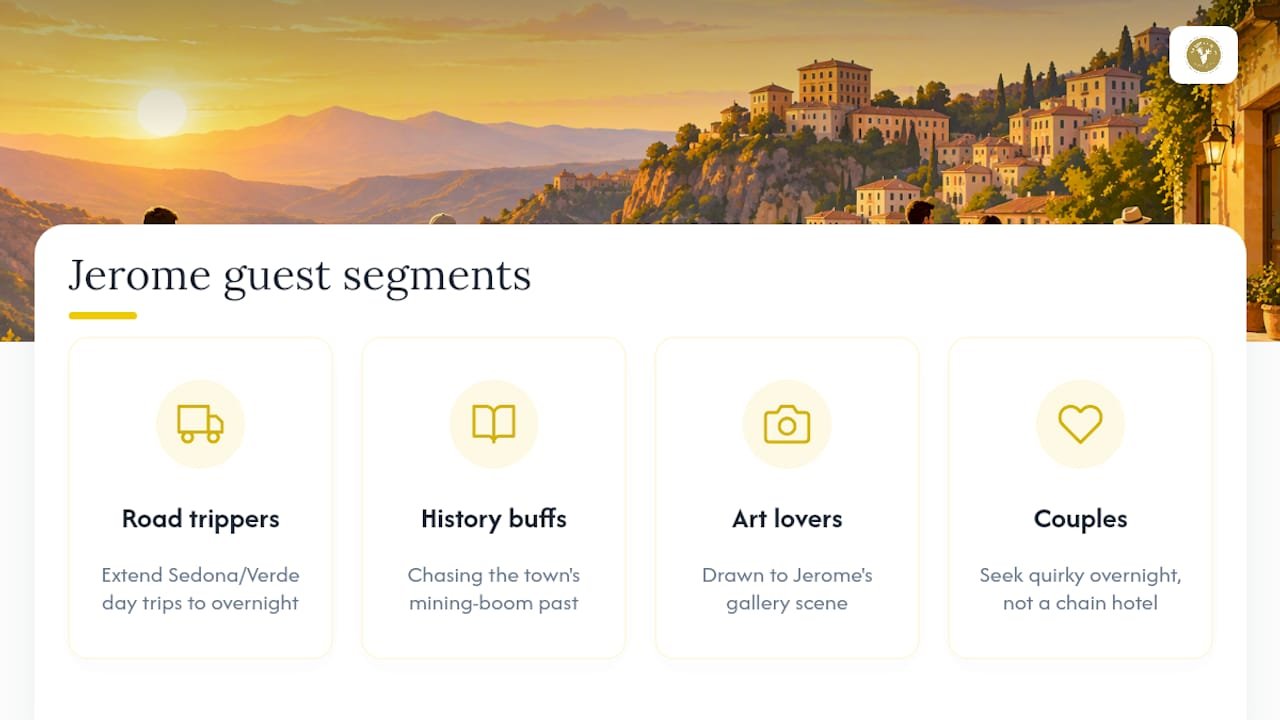
Jerome pulls a specific kind of traveler: adults on a road trip through Sedona and the Verde Valley, history buffs chasing the town’s mining-boom past, art lovers drawn to its gallery scene, and couples looking for a quirky, offbeat overnight that isn’t a chain hotel. This isn’t a family spring-break market or a big-group bachelor-party destination, and that’s a feature, not a limitation.
Regional day-trip traffic drives a lot of the demand. Jerome sits close enough to Sedona, Prescott, and Flagstaff that visitors extend a day trip into an overnight stay once they realize how much there is to see after the tour buses leave. Local reporting estimates roughly 1.2 million annual visitors pass through a town with a tiny year-round population, an imbalance that explains why ADRs can run so high relative to the size of the town.
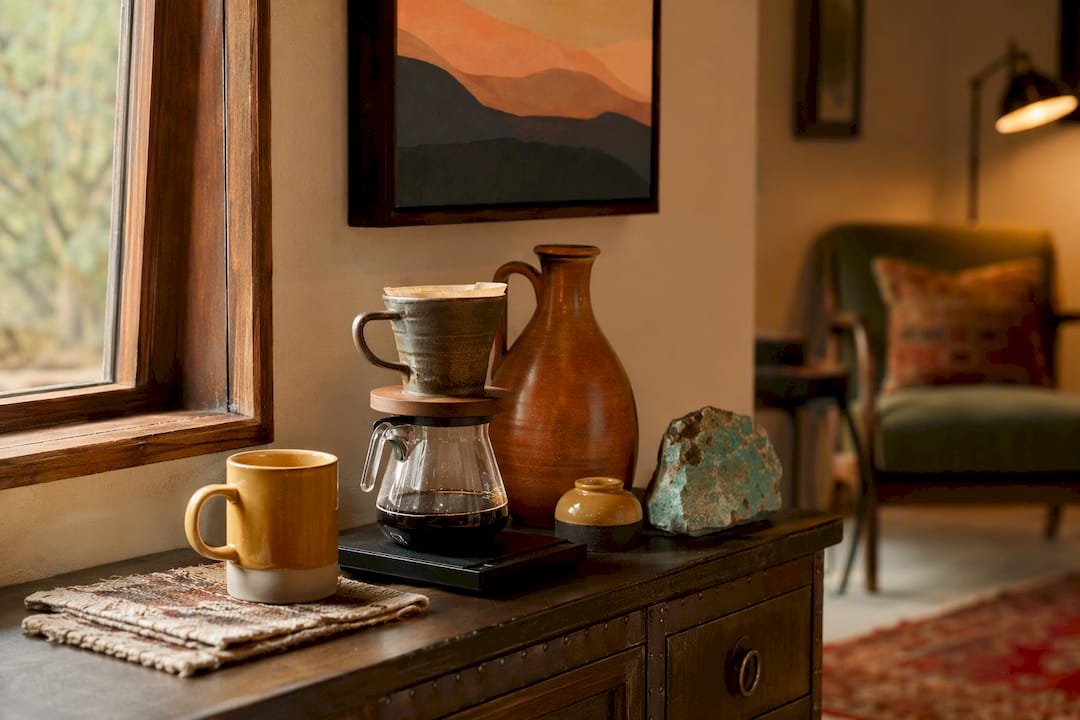
That demographic profile should shape how you furnish and market a listing. Guests here want character over square footage, a good coffee setup over a full kitchen, and a story to tell over a generic vacation-rental interior. A listing that leans into Jerome’s quirky, artsy identity will out-book a generic beige rental every time.
How to Market a Jerome Airbnb Listing
Generic listing photos lose in Jerome. Every serious operator in this market photographs the view, the walk to downtown, and whatever weird architectural detail makes the property distinctly Jerome rather than distinctly anywhere. If your listing photos could be swapped with a rental in Flagstaff and nobody would notice, you’re leaving occupancy on the table.
Title and description copy should lean into what guests are actually searching for: proximity to Main Street, views toward the Verde Valley, and historic character. Airbnb’s search algorithm rewards listings with strong recent review velocity, so a soft-launch pricing strategy in your first 60 to 90 days, undercutting your eventual target rate slightly to build reviews fast, pays off more in Jerome’s small market than in a large metro where review count matters less.
Because Jerome’s booking window skews toward spring, front-load your marketing push and calendar availability in the months leading into March through May. A dynamic pricing tool synced to local events, art walks, and regional festivals will outperform a flat seasonal rate almost every time in a market this small.
Airbnb vs. Other Jerome Real Estate Investments
A long-term rental in Jerome will never touch the revenue ceiling of a well-run short-term rental, but it also won’t demand the operational attention an STR requires. Jerome’s tiny long-term rental pool means cap rates on traditional buy-and-hold rentals rarely compete with even a conservative STR scenario, given the town’s tourism-driven demand.
Commercial space in Jerome, think gallery storefronts or small retail, carries its own appeal given the steady visitor foot traffic, but it comes with a completely different risk profile: retail vacancy, tenant turnover, and far less liquidity than a residential property you could always convert back to personal use. For most individual investors, a well-positioned STR remains the more flexible play, since you retain the option to use the property yourself, rent it long-term if regulations shift, or sell to another STR buyer down the line.
The honest comparison isn’t Jerome STR versus Jerome long-term rental. It’s Jerome versus a larger, higher-inventory market like Sedona, where rental property cash flow examples show more predictable comps and deeper buyer liquidity when it’s time to sell.
Will Jerome Property Values and Rental Income Keep Rising?
Jerome’s appreciation story is tied directly to its scarcity. A hillside town with almost no room to build new inventory means every existing property carries a kind of built-in scarcity premium that larger, sprawling markets don’t have. That cuts both ways: it supports long-term price appreciation, but it also means you’re competing for a genuinely small pool of eligible properties whenever you want to buy or sell.
Short-term rental income growth in Jerome will likely track regional tourism trends more closely than it tracks any broad national Airbnb pricing trend. As long as the roughly 1.2 million annual visitors keep coming through the Verde Valley corridor, and as long as Sedona’s market trends keep pulling regional road-trip traffic, Jerome’s small inventory should keep supporting firm pricing.
Don’t expect a fast flip market here. Jerome rewards a hold period long enough to let both rental income and appreciation compound, not a quick renovate-and-resell strategy.
How Competitive Is the Jerome Short-Term Rental Market?
With roughly 118 active listings, Jerome isn’t fighting the kind of oversupply that depresses ADR in larger Arizona STR markets. But “low competition” doesn’t mean “easy competition.” A small number of professionally managed listings capture a disproportionate share of top bookings, and StaySTRA’s data showing a 15.8% ADR premium for professional management tells you exactly where the real competitive line sits.
The practical competitive threat isn’t a flood of new listings. It’s the handful of well-run, well-photographed, professionally priced properties that already dominate Jerome’s top search results. A new, self-managed listing with average photos and static pricing will get buried under those comps regardless of how charming the house actually is.
Why Jerome Rewards Patience Over Speed
Most investors chase the highest advertised ADR they can find and skip the harder question: can this specific property actually hit that number consistently? Jerome’s small sample size makes that mistake easy to make and expensive to walk back. The gap between StaySTRA’s peak-month numbers and AirDNA’s trailing-12-month average isn’t a contradiction. It’s a reminder that one great April doesn’t make a great year.
What gets underestimated most often is how much of Jerome’s premium ADR is actually a professional-management premium in disguise. Strip that out, and a self-managed, generically furnished Jerome listing looks a lot closer to Camp Verde’s numbers than to the flashy peak-season snapshots that show up in a Google search. The investors who do well here are the ones who price like Jerome, not like Sedona, and manage like a boutique hotel, not like an absentee landlord.
— Chad
Ready to Underwrite a Jerome Property the Right Way?
The article offers an alternative to guessing your way through Jerome’s thin comp set by connecting you with Northern Arizona short-term rental specialists who underwrite properties in Jerome, Camp Verde, and Sedona side by side.
If you’re evaluating a specific Jerome listing, our team can pull a real comparable set, stress-test the revenue scenario against your actual purchase price, and flag the local rules you need to confirm before you remove contingencies. We offer buyer representation for STR purchasers who want someone who actually understands RevPAR modeling, not just square footage. If you already own a Jerome or Sedona rental and you’re weighing an exit, our Sedona vacation rental CMA and seller prep consultation can tell you what your property is really worth in this market before you list it.
Start with our guide to finding the right short-term rental investment property and reach out for a property-specific consultation before you make an offer.
Sources
- Jerome, Arizona Airbnb & short-term rental market data
- Jerome, Arizona Airbnb & short-term rental market data — AirROI
- Jerome AZ Airbnb Market: $370 ADR, 71% Occupancy | StaySTRA
- Jerome: from mining boom town to artist haven (AZPM)
- Lawsuit Against Town of Jerome Resolved
FAQ
Is Jerome, AZ a Good Airbnb Investment?
Jerome works best for investors targeting a premium, well-managed listing rather than a passive, price-competitive one. Trailing-12-month data shows roughly $33,100 in average annual revenue at 47% occupancy, while professionally managed and peak-season listings can significantly outperform that baseline.
What Famous People Have Lived in Jerome, AZ?
Jerome’s history includes ties to mining-era figures and a long-running reputation as an artist haven, drawing creatives and craftspeople who settled in the town after its copper boom faded. The town’s identity as a quirky arts community, rather than any single celebrity resident, is what continues to draw visitors and buyers alike.
Where Is Airbnb Demand Growing Fastest Right Now?
Demand growth varies widely by market and season, and small, high-ADR tourism towns like Jerome behave very differently than large metro markets. Rather than chasing a single national trend, compare a target market’s trailing-12-month RevPAR against its peak-season snapshot, the same approach that explains Jerome’s swing between a $212 and $428 ADR depending on the dataset and month.
What Is the 75-55 Rule in Airbnb?
There isn’t a single standardized occupancy rule recognized across the short-term rental industry, and definitions circulating online vary. Rather than relying on an informal rule of thumb, underwrite each property against its own occupancy and RevPAR data, the approach that matters most in a thin market like Jerome.
Is Airbnb Struggling as an Investment Right Now?
Airbnb’s performance depends heavily on the specific market, not a single national trend. Micro-markets like Jerome, with constrained inventory and strong tourism demand, continue to show meaningful revenue potential for well-positioned, professionally managed listings even as larger, oversupplied markets face pricing pressure.