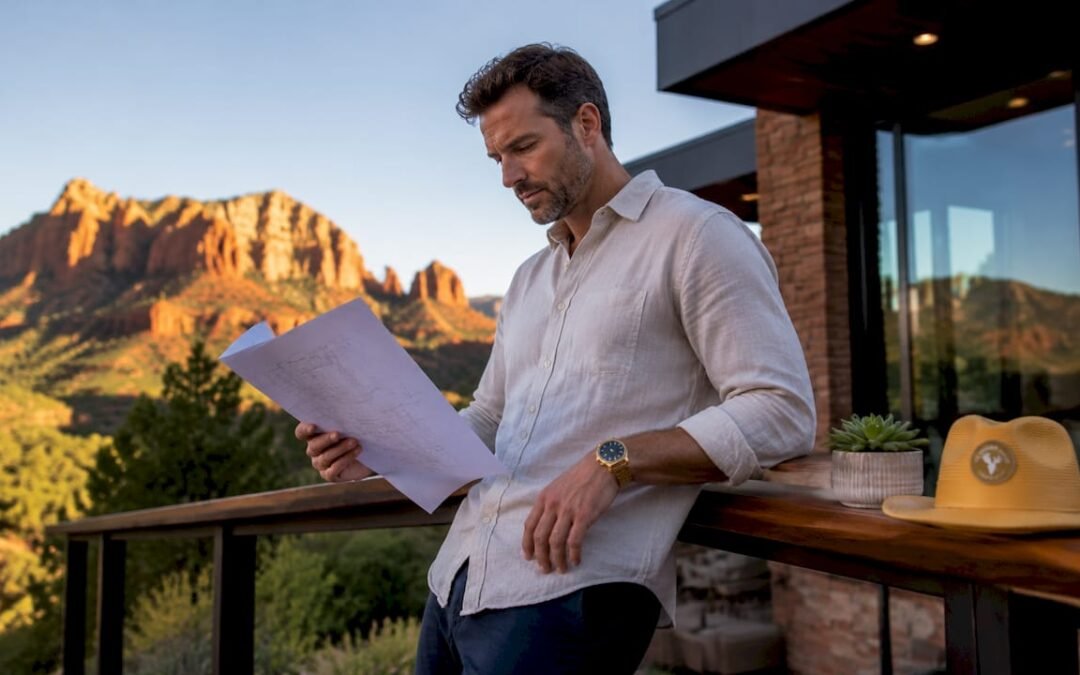
Sedona architectural style is defined as a design philosophy that harmonizes built structures with the region’s dramatic red rock terrain, and it directly determines property value by satisfying both buyer expectations and strict local codes. The industry term for this approach is desert modernism, a style that blends earth-tone materials, large glazed windows, and natural stonework into homes that feel like they grew out of the canyon walls. Sedona home value trends show properties ranging from $900,000 to over $1.5 million, with panoramic views and integrated design commanding the highest prices. Understanding why Sedona architectural style affects value is the single most useful thing any buyer or investor can do before writing an offer.
What architectural features make sedona homes worth more?
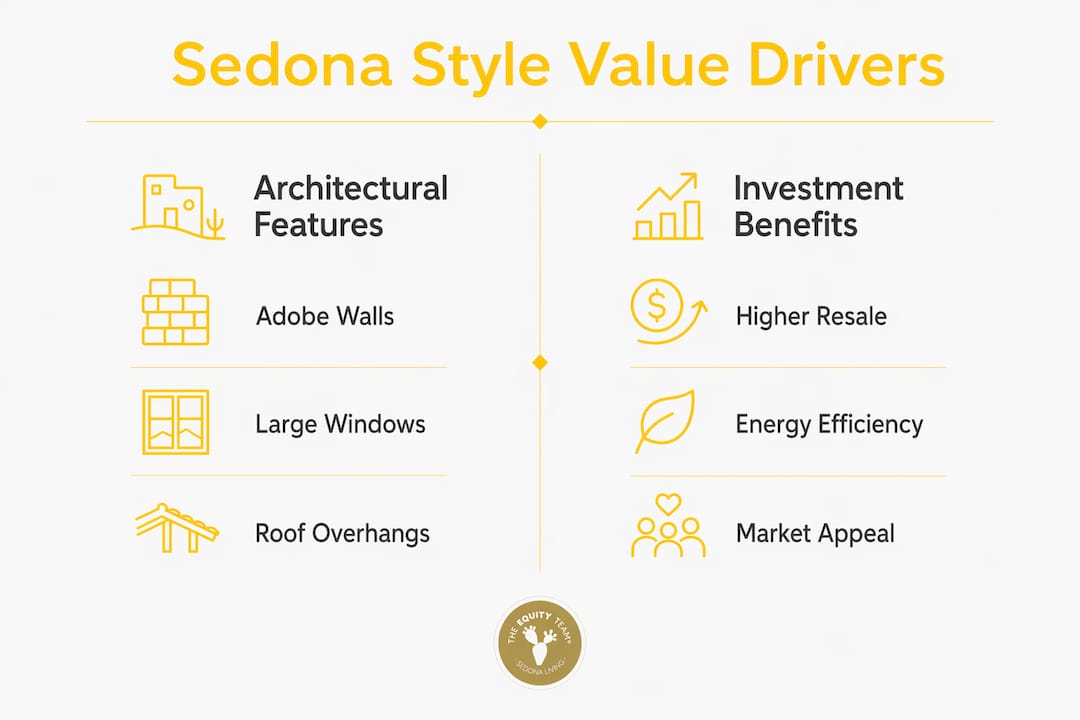
Desert modernism is the dominant style in Sedona’s luxury market, and it is not just an aesthetic choice. Desert modernist homes command resale prices 10%–18% higher than comparable properties without these features. That premium reflects real buyer demand, not marketing spin.
The features that drive this premium are specific and learnable:
- Earth-tone stucco and natural stonework blend the exterior into the surrounding Coconino National Forest, which is both preferred by high-end buyers and required by community design standards.
- Large windows and advanced glazing frame the red rock views that buyers pay for. Advanced glazing and eaves add $8,000–$20,000 to construction costs but reduce cooling costs by 15%–25% annually. That payback period is short enough to matter at resale.
- Expansive shade overhangs and integrated patios reduce energy demands while extending usable living space outdoors. These features are not decorative. They are functional adaptations to the Southwest climate.
- Rammed earth construction is a growing niche. Rammed earth homes blend rustic textures with large windows framing red rock views, attracting investors who want something genuinely unique and durable.
The architectural design options available in Sedona are broader than most buyers realize. The smartest investors learn the vocabulary before they tour a single property.
Pro Tip: When evaluating a Sedona listing, ask specifically about glazing specifications and roof overhang depth. These two features alone signal whether a home was designed for the climate or just styled to look like it was.

How do sedona’s design codes shape property value?
Sedona’s design review boards enforce exterior modifications with a level of specificity that surprises most out-of-state investors. The boards mandate earth-tone palettes, natural material requirements, and visual harmony with the surrounding terrain. Non-compliance risks include project rejections, costly delays, and measurable value loss at resale.
The practical implications for investors are significant. Here is how the regulatory environment plays out in real transactions:
- Pre-purchase review is non-negotiable. Any planned renovation or addition must be evaluated against local codes before closing. Discovering a design conflict after purchase can freeze a project for months.
- Earth-tone palette compliance is mandatory. Colors that read as natural in the Southwest, think warm tans, terracotta, and muted sage, are approved. Anything that contrasts sharply with the red rock environment will be rejected.
- Natural materials are not optional. Stone, wood, and stucco are the approved vocabulary. Synthetic siding or bright metal cladding triggers review board scrutiny.
- Approval timelines affect ROI. Investors who underestimate the design approval complexity often see project timelines stretch by three to six months, which directly affects short-term rental income projections.
Homes that already comply with these standards carry a quiet premium. Buyers pay more for properties where the renovation risk has already been absorbed by a previous owner.
Pro Tip: Request the full design review history for any property you are considering. A clean record signals a seller who understood the rules. A history of rejections or modifications is a yellow flag worth investigating.
How does landscape integration drive pricing premiums?
The concept of landscape architecture in Sedona goes beyond planting native shrubs around a foundation. The most desirable properties are designed so the structure appears to recede into the terrain rather than sit on top of it. Ambiente Sedona is the first North American landscape hotel built on this principle, and its success has influenced how luxury buyers think about residential properties in the area.
“Landscape architecture reflects a trend where buildings yield entirely to natural terrain, increasing desirability among eco-conscious investors.” — Ambiente Sedona research insight
This design philosophy delivers measurable financial benefits across several dimensions:
| Feature | Buyer Benefit | Price Impact |
|---|---|---|
| Terrain-receding structure | Privacy and visual harmony with red rocks | High premium in luxury segment |
| Native material exterior | Reduced maintenance, code compliance | Faster resale, fewer negotiation deductions |
| Panoramic window placement | Unobstructed red rock views | Direct correlation to listing price |
| Integrated outdoor living | Extended usable square footage | Appeals to short-term rental guests |
| Energy-efficient orientation | Lower utility costs year-round | Stronger ROI for investment buyers |
Scarcity of developable land and environmental protections already push Sedona values upward. Landscape-integrated design amplifies that scarcity premium because it signals a property that cannot be easily replicated. Single-family sales in Sedona increased 6.5% despite limited inventory, which means well-designed properties face less competition and more motivated buyers.
The landscaping and sale price relationship in Sedona is one of the clearest value drivers in the market. Buyers who understand this connection negotiate from a position of knowledge rather than emotion.
Traditional vs. desert modern vs. landscape-focused: which style wins?
Not all Sedona architectural styles perform equally in the investment market. Understanding the differences helps buyers allocate their budget toward features that hold value over time.
| Style | Market Appeal | Resale Value | Energy Efficiency | Best For |
|---|---|---|---|---|
| Traditional Sedona (adobe, territorial) | Broad, nostalgic appeal | Stable, moderate growth | Moderate | Owner-occupants, long-term holds |
| Desert Modernism | High-end buyers, STR guests | 10%–18% premium over comparable | High (glazing, overhangs) | Investors, luxury buyers |
| Landscape-Focused | Eco-conscious, ultra-luxury segment | Highest ceiling, slower liquidity | Very high (passive design) | Boutique STR, premium resale |
Traditional Sedona style, characterized by adobe construction and territorial rooflines, has broad appeal and stable values. It is the safe choice for buyers who want predictability. Desert modernism is the performance play. The 10%–18% resale premium is consistent enough to treat as a baseline assumption when underwriting an investment. Landscape-focused design is the highest-risk, highest-reward category. Properties like Ambiente Sedona demonstrate the ceiling, but liquidity is slower because the buyer pool is narrower.
Investment properties that respect community aesthetics and incorporate energy-efficient design achieve better ROI and stronger market perception. That finding holds across all three style categories, which means the floor for smart investing in Sedona is simply: build or buy something that belongs there.
Remodeling aligned with local style and long-term value considerations also boosts resale prices. Popular upgrades include open living spaces, kitchen renovations, and outdoor living areas, all of which amplify the connection between interior comfort and the surrounding landscape.
Key takeaways
Sedona architectural style directly determines property value because design harmony with the red rock environment is both a buyer preference and a regulatory requirement that cannot be separated from investment returns.
| Point | Details |
|---|---|
| Desert modernism commands a premium | Homes with desert modernist features sell for 10%–18% more than comparable properties. |
| Design code compliance protects value | Non-compliance with Sedona’s review boards causes delays and measurable resale losses. |
| Landscape integration amplifies scarcity | Properties that recede into the terrain are harder to replicate and command higher prices. |
| Energy efficiency adds real dollars | Advanced glazing cuts cooling costs 15%–25% annually, improving ROI for investors. |
| Style choice shapes your buyer pool | Desert modernism attracts STR guests and luxury buyers; landscape design targets ultra-premium segments. |
What i’ve learned watching sedona’s architectural market evolve
I have watched buyers walk away from genuinely beautiful properties because they did not understand what they were looking at. A home with rammed earth walls and deep overhangs is not a quirky experiment. It is a precisely engineered response to a demanding climate, and the market prices it accordingly.
The most common mistake I see is treating architectural style as decoration. Investors who think they can buy a traditional adobe, slap on some modern finishes, and pocket a desert modernism premium are usually wrong. The design review board will flag the inconsistency, and sophisticated buyers will notice the mismatch. Sedona’s market is too educated for that shortcut to work.
What actually works is buying a property that already fits the environment and then making targeted upgrades that deepen that fit. Open the living space toward the view. Add a covered outdoor area with proper overhangs. Upgrade the glazing. These moves align with both the design codes and the buyer psychology that drives Sedona pricing.
The Sedona real estate market rewards patience and specificity. Investors who take the time to understand why a property looks the way it does almost always outperform those who are just chasing a number on a listing sheet.
— Chad
Find the right sedona investment before someone else does
Sedona’s architectural appeal is not a soft selling point. It is a quantifiable driver of short-term rental performance and long-term resale value. Properties that blend desert modernism with landscape integration consistently attract the guests and buyers willing to pay a premium.
Equity Team specializes in Sedona short-term rental investments and represents clients operating in the top 10% of the rental market. If you are ready to find a property where the architecture works as hard as you do, start with finding the right STR investment or explore profitable Sedona rental opportunities to see what the market currently offers. Equity Team’s agents know which properties have the design credentials to perform, and which ones just look good in photos.
FAQ
Why does architectural style affect sedona home values?
Sedona architectural style affects value because design harmony with the red rock environment is both a buyer preference and a regulatory requirement. Homes that meet community design standards and integrate with the landscape command prices from $900,000 to over $1.5 million.
What is desert modernism and why does it matter in sedona?
Desert modernism is an architectural style using earth-tone materials, large glazed windows, and shade overhangs adapted to the Southwest climate. Desert modernist Sedona homes sell for 10%–18% more than comparable properties without these features.
How do sedona’s design review boards affect investment decisions?
Sedona’s design review boards enforce earth-tone palettes and natural material requirements for all exterior modifications. Non-compliance can cause project rejections and costly delays that directly reduce investment returns.
What is a landscape hotel and how does it influence residential values?
A landscape hotel is a structure designed to recede into natural terrain rather than dominate it. Ambiente Sedona is the first North American example, and this concept has raised buyer expectations for how luxury residential properties should relate to the surrounding environment.
Which sedona architectural style offers the best investment returns?
Desert modernism offers the most consistent premium, with a 10%–18% resale advantage over comparable properties. Landscape-focused design has a higher ceiling but a narrower buyer pool, making it better suited for boutique short-term rentals than quick resale plays.