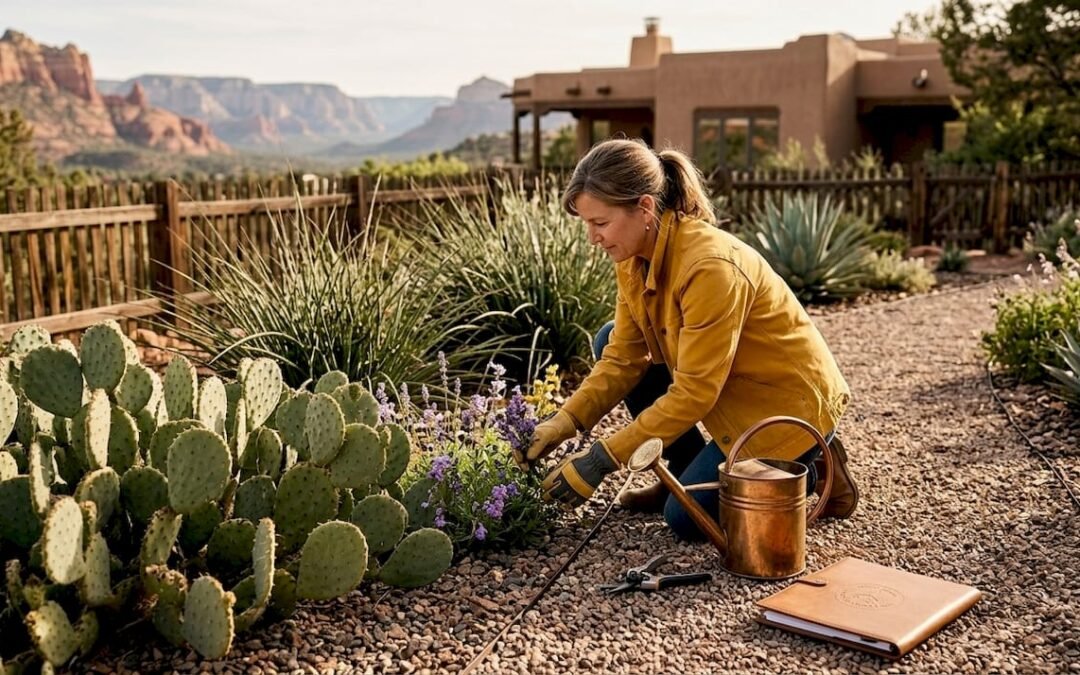
The role of landscaping in Sedona sale price is one of the most underestimated factors in the entire buying and selling process. Most people think of plants and rocks as decoration. Pretty, sure. But decorative? That framing costs sellers real money. In Sedona’s vibrant, competitive real estate market, where natural beauty shapes buyer preferences, the right outdoor design is not a finishing touch. It’s a core driver of what a property actually sells for. Buyers form opinions fast, and the yard is almost always the first thing they see.
Table of Contents
- Key Takeaways
- The role of landscaping in Sedona sale price dynamics
- Landscaping types and their impact on property value
- Financial returns and practical benefits for sellers and investors
- How Sedona listings use landscaping to drive buyer interest
- What buyers and investors should look for in landscaping quality
- My honest take on what investors get wrong about Sedona landscaping
- Maximize your Sedona investment with the right property
- FAQ
Key Takeaways
| Point | Details |
|---|---|
| Landscaping adds measurable value | Designed landscapes can add 5 to 12.7% to a home’s sale price in research-backed studies. |
| Curb appeal creates fast impressions | Buyers form their first impression within 7 seconds, making outdoor presentation a decisive selling factor. |
| Water-wise design wins in Sedona | Xeriscape and drought-tolerant plantings reduce costs and appeal directly to eco-conscious desert buyers. |
| Hardscape delivers strong ROI | Patios, walkways, and defined outdoor living areas often recover more than their cost at resale. |
| Red flags can hurt buyer confidence | Poor irrigation, overgrown plantings, or neglected soil prep raise inspection concerns and suppress offers. |
The role of landscaping in Sedona sale price dynamics
Sedona is not a typical real estate market. The red rock formations, the serene canyon views, the almost surreal color of the sky at golden hour. All of that shapes what buyers expect when they pull up to a property. They are not just buying square footage. They are buying a lifestyle, and the yard is the first chapter of that story.
The Sedona luxury real estate market operates with limited land availability and a buyer pool that skews toward discerning, high-net-worth individuals. These buyers have seen a lot of properties. They notice when landscaping feels intentional versus when it looks like an afterthought. Properties that reflect and complement the surrounding desert environment consistently generate stronger offers.
A few things make Sedona’s market particularly interesting when it comes to outdoor space:
- Sedona properties emphasize sustainable, drought-tolerant design as a core feature, not an add-on
- Limited lot sizes mean every square foot of outdoor space carries significant weight in buyer perception
- The area’s architectural styles, from adobe to contemporary desert modern, pair specifically with certain landscape palettes
- Buyers often research Sedona architectural design options before visiting, arriving with visual expectations already formed
- Short-term rental investors look for outdoor spaces that photograph well and create emotional pull in online listings
Understanding these factors is the starting point for anyone serious about maximizing, or accurately assessing, what a Sedona property is worth.
Landscaping types and their impact on property value
Not all landscaping is created equal in the desert. What works in a lush Pacific Northwest backyard can actually work against a seller in Sedona. The local environment demands specificity, and buyers here can tell the difference between a thoughtfully curated desert palette and a mismatched collection of thirsty plants that will struggle through the summer.
Here’s how the main landscaping types stack up in Sedona’s market:
| Landscaping Type | Upfront Cost | Buyer Appeal | Resale Value Impact |
|---|---|---|---|
| Xeriscape / water-wise | Moderate | Very high | Strong ROI, lower ongoing costs |
| Lush gardens (non-native) | High | Mixed | Risk of high maintenance concerns |
| Mature native plantings | Low to moderate | Very high | Significant “oasis” perception boost |
| Hardscape (patios, paths) | Moderate to high | High | Reliable cost recovery at resale |
| Minimal / neglected | Very low | Poor | Can suppress offers and extend days on market |
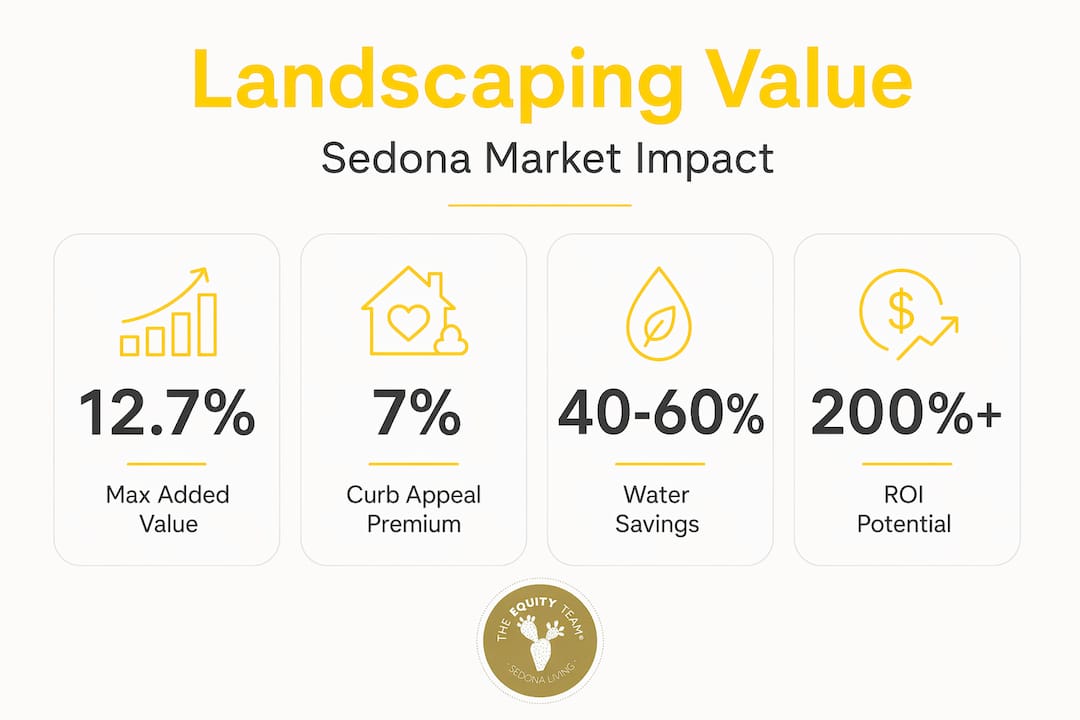
Xeriscape is the real star of the show in Sedona. Modern xeriscape designs use 40 to 60% less water than older residential landscapes while actually boosting owner satisfaction with appearance. That combination of beauty and cost control is a powerful selling point.
Mature native plantings create what listing agents love to describe as a “private desert oasis.” A well-designed desert landscape can incorporate 30 to 50 plant species that provide year-round visual interest without punishing water bills. That variety gives buyers the rich, layered look of a curated garden without the maintenance anxiety.
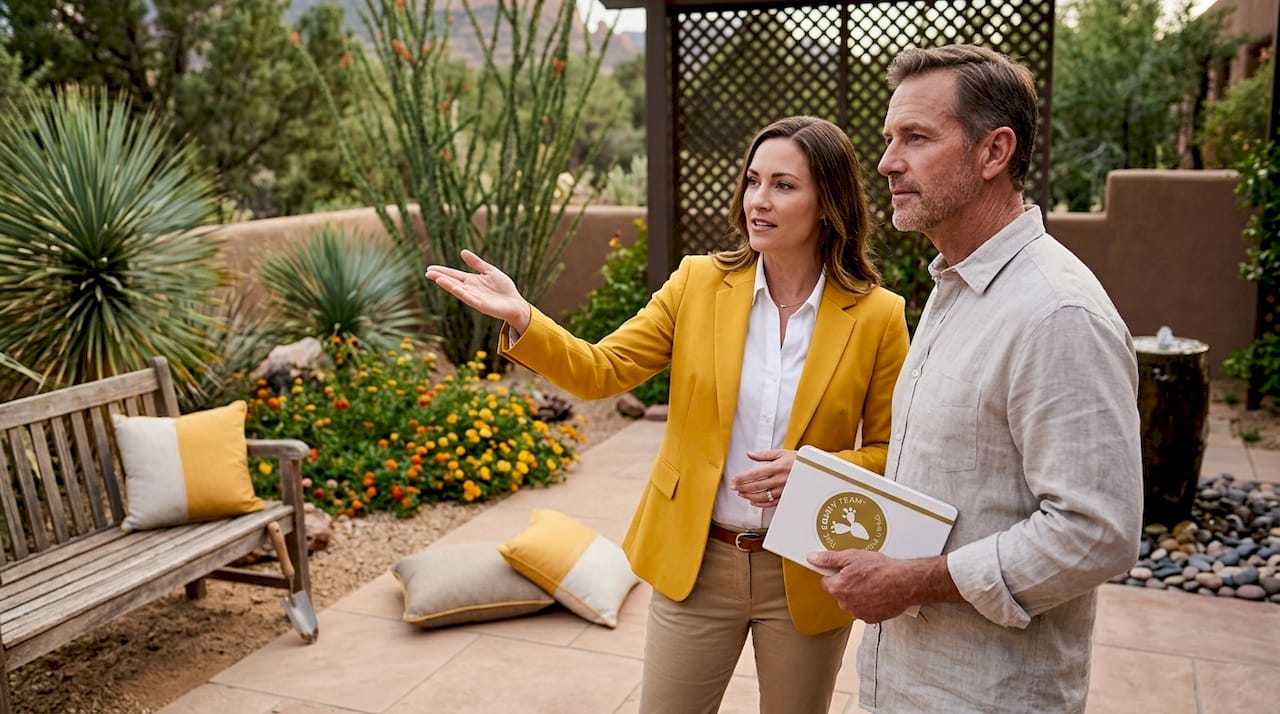
Hardscape elements deserve more credit than they get. A well-placed flagstone patio, a clean gravel path through agave and palo verde, or a defined outdoor seating area tied to the architecture. These features extend the usable square footage of a property in buyers’ minds and tend to recover their cost reliably at resale.
Pro Tip: Pair hardscape with at least two or three mature native plants nearby. A bare patio feels exposed. Surround it with ocotillo, desert willow, or brittlebush, and suddenly it feels like a destination.
Financial returns and practical benefits for sellers and investors
The numbers on landscaping returns are genuinely surprising to most sellers. Designed landscapes add 5 to 12.7% to home value, and well-maintained yards can achieve over 200% cost recovery in resale value. That is not a typo. Two hundred percent. Spend a dollar on the right landscaping, and you can get two dollars back at closing.
Here’s how Sedona investors and sellers can think about prioritizing their landscaping dollars:
- Start with irrigation engineering. Proper soil preparation and irrigation systems produce healthier, longer-lived plants that hold their visual appeal through inspections and open houses. A beautiful yard that wilts during escrow raises red flags fast.
- Add mature plantings where possible. Buyers perceive established plants as evidence of quality and care. A ten-year-old mesquite tree adds more buyer confidence than a row of freshly planted one-gallon shrubs.
- Invest in clean hardscape near the entry. The walkway to the front door sets the tone for every showing. Cracked, uneven, or overgrown entry paths are the first thing buyers unconsciously factor into their offer.
- Focus on the photographic angles. Think about which views show up in listing photos. Those specific areas deserve the most attention and investment.
- Plan for ongoing low maintenance. Buyers in Sedona, especially short-term rental investors, factor in operational costs. A high-maintenance yard is a liability on the balance sheet, not just the weekend calendar.
The curb appeal research is blunt on this point. Homes with strong curb appeal sell for 7% more on average, and buyers form that critical first impression in roughly 7 seconds. Seven seconds. Before they walk through the door, before they see the kitchen, before they read the disclosure report. The yard has already done its job or failed to do it.
Water-wise landscaping adds another financial layer that matters specifically in Arizona. Reduced water bills mean lower operating costs for investors running short-term rentals. That translates directly into stronger net operating income and, by extension, higher asset valuation when it comes time to sell.
How Sedona listings use landscaping to drive buyer interest
Language is a powerful tool in real estate, and savvy agents in Sedona know exactly which words make buyers lean forward. Listing descriptions use terms like “private retreat” and “lush garden” to create an emotional picture before a buyer ever sets foot on the property. That emotional picture influences perceived value before a single comparable is run.
A few specific ways that Sedona listings leverage outdoor features:
- Descriptions highlighting mature planting and shady sitting areas consistently generate more online engagement and showing requests
- Photos with defined landscape beds, clear pathways, and intentional color contrast perform noticeably better on listing platforms
- Outdoor spaces that frame the red rock views get featured as headline amenities, not afterthoughts
- Properties described as “desert oasis” or “private retreat” attract buyers who are emotionally pre-sold before the tour
The coordination between architecture and landscaping matters enormously here. A beautiful contemporary home flanked by unruly vegetation feels mismatched. That mismatch creates cognitive dissonance for buyers, and cognitive dissonance suppresses offers. When the outdoor design speaks the same visual language as the structure, the whole property feels intentional and well cared for.
Pro Tip: Before listing, walk your property with a phone camera and shoot from the street, the driveway, and the front door. If the photos look cluttered, sparse, or tired, that is exactly what buyers will feel. Fix it before you list, not after the first price reduction.
What buyers and investors should look for in landscaping quality
Buyers who understand the importance of landscaping for property worth are in a much stronger position to negotiate, to spot value, and to avoid costly surprises after closing. Here is what to evaluate during any Sedona property tour:
- Irrigation system condition. Ask whether it’s drip or spray, when it was last serviced, and whether it covers all planted areas. A failing system means expensive plant replacement ahead.
- Plant health and maturity. Yellowing, sparse, or clearly struggling plants suggest either neglect or a poorly matched plant palette for the site’s conditions.
- Soil prep evidence. Well-engineered desert landscapes typically show defined planting beds with decomposed granite or other mulch, proper grading for drainage, and no signs of erosion near foundations.
- Hardscape condition. Look for cracking, settling, or weed intrusion in patios and pathways. These signal deferred maintenance and give you negotiating leverage.
- Overall cohesion. Does the landscaping feel designed, or does it look like a collection of plants that arrived at different times with no plan? Intentional design holds value. Random planting does not.
Red flags worth flagging in any offer: non-native thirsty plants with no irrigation, overgrown vegetation near the structure, visible erosion, and any signs that the yard has been neglected for more than one season. Each of these raises buyer doubt during inspections and can suppress the final sale price more than sellers expect.
My honest take on what investors get wrong about Sedona landscaping
I’ve watched buyers walk away from properties with genuinely strong bones because the yard looked tired. I’ve also watched sellers leave serious money on the table because they spent their pre-listing budget on interior upgrades while letting the curb appeal fend for itself. Both mistakes are avoidable.
Here’s what I’ve learned: “lush” is not always better in Sedona. I’ve seen properties with gorgeous tropical-style gardens that made buyers nervous, not enchanted. Desert buyers know what a water bill looks like in summer. A yard full of thirsty, high-maintenance plants signals ongoing expense and effort. That anxiety shows up in the offer.
Water-efficient landscapes, on the other hand, carry a hidden benefit that most sellers don’t think to market. They communicate stewardship. They signal that the property has been thought through, that the owner made smart long-term choices. That story resonates strongly with the investor buyers who make up a significant portion of Sedona’s market.
What I’ve found actually moves the needle: clean design, healthy mature plants, and an irrigation system that works. Not the fanciest yard in Sedona. The most credible one. A yard that says “this place has been taken care of” consistently outperforms a yard that’s trying too hard with the wrong plants in the wrong place.
— Chad
Maximize your Sedona investment with the right property
If you’ve made it this far, you already understand something that many buyers and sellers in Sedona miss: outdoor spaces are not cosmetic. They are financial. The Equity Team works exclusively with clients in the top tier of the Sedona market, including short-term rental investors who need properties that perform beautifully and earn consistently. Whether you’re evaluating a profitable Sedona short-term rental or trying to position your current property for a strong sale, Equity Team brings the specialized insight to help you make the smartest move. Reach out to start the conversation.
FAQ
How much does landscaping add to a home’s sale price?
Designed landscapes add between 5 and 12.7% to home value, with well-maintained yards sometimes recovering over 200% of landscaping costs at resale.
What type of landscaping works best for Sedona properties?
Water-wise xeriscape and mature native plantings perform best in Sedona, combining strong buyer appeal with low ongoing maintenance and reduced water costs in the desert climate.
Does curb appeal really affect sale price in Sedona?
Yes. Homes with high curb appeal sell for about 7% more on average, and buyers form their first impression of a property within 7 seconds of arriving.
What landscaping red flags should buyers watch for in Sedona?
Watch for failing irrigation systems, non-native thirsty plants, poor soil preparation, signs of erosion near foundations, and visually neglected yards. These issues often signal deferred maintenance and future costs.
How does landscaping affect short-term rental investments in Sedona?
Attractive, low-maintenance outdoor spaces boost online listing appeal, increase booking rates, and reduce operational costs. That combination strengthens overall returns and the property’s long-term rental investment value.