
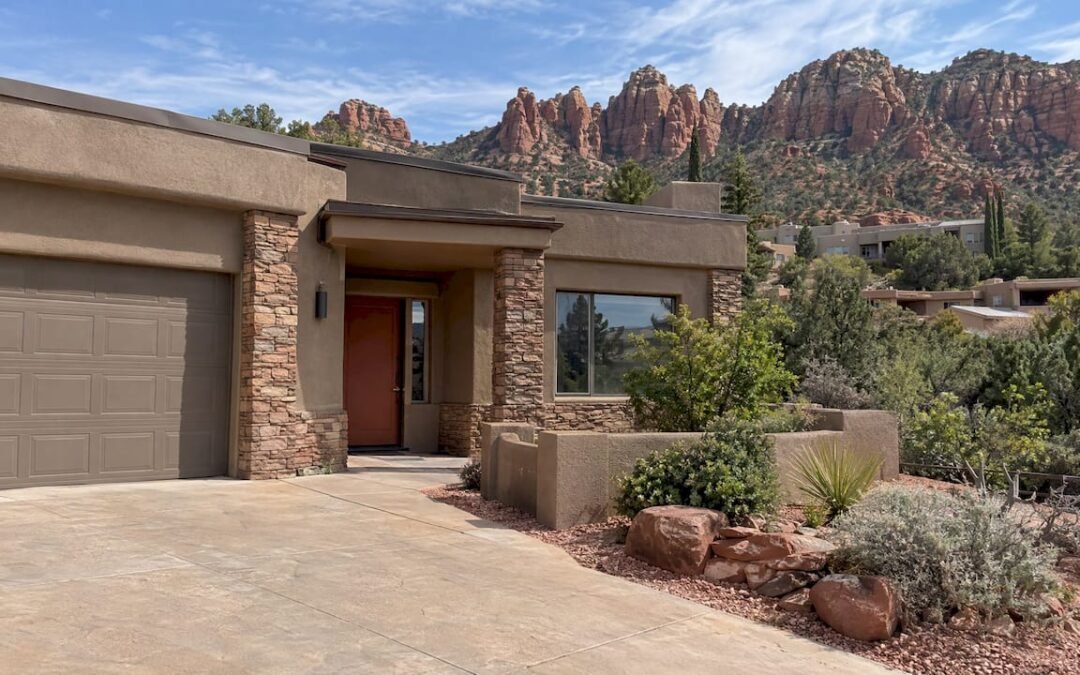
A Sedona home with no HOA can feel like a free-range chicken in a red rock canyon: nobody fencing it in, plenty of scenery. But “no HOA” only removes one rulebook. The city permit, state tax, county rules, zoning, fire code and insurance are all still there, and they decide whether a non-HOA home works as a short-term rental (STR) or just looks pretty on a listing. This guide covers what no-HOA does and doesn’t mean, how to verify a property, what startup costs to plan for, and a checklist to run before closing.
TL;DR
- No HOA means no association rules on rentals. It does not mean no rules: city, county, state tax and safety requirements still apply.
- Verify the specific address (jurisdiction, zoning, permit status, fire and parking requirements) before you write an offer, not after.
- Budget for more than the purchase price: permit, tax setup, insurance, safety upgrades, furnishing and a cushion for slow weeks.
- Arizona short-term lodging is subject to Transaction Privilege Tax (TPT), and a $0 return is still required in months with no bookings.
- A local agent who works STRs every day can check the details and the numbers before you commit.
Table of Contents
- What “non-HOA” actually means in Sedona
- How to confirm a Sedona property can legally run as an STR
- Taxes: the part that doesn’t care about HOAs
- Startup costs for a Sedona STR
- A non-HOA STR investment checklist
- Why non-HOA homes can look better than they are
- Perspective: how we look at non-HOA STR buying
- Ready to look at specific homes?
- FAQ
- Sources
What “non-HOA” actually means in Sedona
An HOA is a private layer of rules, written into a neighborhood’s covenants. Some Sedona associations ban nightly rentals, some allow them, and some set minimum stays. A non-HOA property simply doesn’t have that layer. If you want the full picture on the association side, our guide on running an Airbnb in a Sedona HOA walks through it.
What’s left is public law, and public law doesn’t care that your street has no clubhouse. Three layers matter:
- Who governs the address. A home inside the City of Sedona answers to the city. A home just outside the city limits may be in unincorporated Yavapai County (or Coconino County, depending on where the line falls), and the rules differ.
- What the zoning says. Sedona has designated areas where nightly rentals are treated differently. Our explainer on the Sedona vacation rental zone covers the concept, and our zoning laws overview for investors goes deeper.
- What the state requires. Arizona’s tax system treats short-term lodging as a taxable business no matter who owns the walls.
Arizona law has also limited how far cities can go. A 2025 Court of Appeals decision, reported by the Arizona Capitol Times, rejected Sedona’s attempt to keep a mobile home park from renting out its units short term. Cities can still apply certain public safety rules, which is why the permit and safety items below still apply to you.
The short version: a no-HOA label is a good start and a terrible finish. It earns a property a second look, not a pass.
How to confirm a Sedona property can legally run as an STR
Listings love the phrase “great rental potential.” Potential is not a permit. Here is the order we’d work through, address by address.

Step 1: Pin down the jurisdiction
Find out whether the parcel sits inside Sedona city limits or in the county. The mailing address says “Sedona” for many homes that are legally somewhere else. Inside the city, the city permit process applies. In unincorporated Yavapai County, the county planning FAQ says STRs are limited to permitted habitable structures, and events such as weddings, parties or commercial retreats are prohibited. Our Yavapai County Airbnb rules page lists what to verify first.
Step 2: Check the structure
“Permitted habitable structure” is a phrase worth reading twice. A converted garage, an unpermitted casita or a detached studio may not qualify. If the home has a guest unit, read our piece on whether you can Airbnb an ADU in Sedona before you count that unit as income.
Step 3: Understand the permit rule
Sedona requires a permit for each rental unit, renewed every year. The city’s fee is $210 per unit per year, with $500,000 in liability coverage required, according to a September 2026 summary of local rules. Confirm the current figures with the City of Sedona before you budget, since fees and conditions can change. Our Sedona Airbnb permit guide explains the one-permit-per-unit, every-year pattern in plain language.
Permits generally don’t ride along with a property like a bonus appliance. Ask the seller’s agent what the current permit status is, and ask us or the city what happens to it on a sale.
Step 4: Read the recent rule changes
Sedona’s STR rules have moved over the past few years. Our summary of Sedona short term rental restriction changes is a good place to see what shifted and why a listing written two years ago may be out of date.
Step 5: Check the operating limits
Two items surprise new owners most. One is occupancy: our page on Sedona Airbnb occupancy limits shows how the number of guests you can host affects income. The other is parking: our parking rules guide covers the requirements under the city code. A four-bedroom house with room for two cars sleeps fewer guests on paper than the photos suggest.
Step 6: Look at fire safety
Sedona has fire code requirements for STRs, including supervised alarms. We cover the details in our Sedona Airbnb fire code article. Retrofitting a system is a real cost, so know whether the house already has one before you make an offer.
Taxes: the part that doesn’t care about HOAs
Short-term lodging of fewer than 30 days is subject to Arizona Transaction Privilege Tax, and operators report income and remit tax through the state’s AZTaxes.gov portal, per the Arizona Department of Revenue. The same page notes that when no rentals occur in a filing period, you still file a $0 return to stay in compliance.
That last detail trips up owners who treat a quiet January like a vacation from paperwork. Put the filing dates in a calendar the week you close. Local lodging taxes can apply on top of state tax, so ask a Sedona-area tax professional how your specific situation is treated.
Startup costs for a Sedona STR
Nobody can hand you a universal number, because homes, furniture styles and safety needs vary wildly. What we can do is show you the categories, so nothing sneaks up on you after closing.
| Cost category | What to plan for | Where to confirm |
|---|---|---|
| Down payment and closing costs | Often the largest line; STR loans can be underwritten differently from primary homes | Your lender |
| City permit | $210 per unit per year at last report, plus required liability coverage of $500,000 | City of Sedona |
| State tax setup | Registration for TPT and regular filings, including $0 returns | Arizona Department of Revenue |
| Insurance | Short-term rental coverage, which is different from a standard homeowner policy | Your insurance agent |
| Safety and code items | Supervised alarms, egress, parking layout | Fire code guide |
| Furnishing and amenities | Beds, linens, outdoor spaces, the things guests photograph | Amenity must-haves |
| Cleaning, supplies and management | Turnovers, restocking, a local contact | Local providers |
| Reserve | A cushion for slow weeks and repairs | Your own budget |
The amenity list matters more than people think. Hot tubs, views and outdoor living areas earn their keep in Sedona, and our vacation rental amenity must-haves guide shows what we see guests expect.
A non-HOA STR investment checklist
Use this before you waive anything. Print it, tape it to the fridge, name it something dramatic.
- Jurisdiction confirmed (city, Yavapai County or Coconino County).
- Zoning reviewed against the zoning rules for investors.
- Permit status known, including who holds it today and what a transfer or new application requires.
- Structure verified as a permitted habitable structure, with any ADU or casita checked separately.
- Occupancy and parking counted honestly, not optimistically.
- Fire safety inspected, including alarm supervision.
- Revenue figures reviewed with a vacation rental comparative market analysis, not a screenshot from the seller. See our page on Sedona luxury rental investing and local CMAs.
- Insurance quoted for STR use, including wildfire considerations. Our wildfire steps for buyers and sellers covers what to line up for escrow.
- Contract terms understood. If the purchase contract is new to you, read our real estate purchase contract guide.
- Timeline mapped with our Sedona home purchase timeline, so inspection and due diligence windows don’t close on you.
Why non-HOA homes can look better than they are
A home without an HOA often has fewer neighbors watching the clock, more privacy and more freedom with outdoor features. It can also have a road that isn’t maintained by anyone in particular, a septic system with opinions, and a view that comes with a steep driveway. Guests give reviews on all of these.
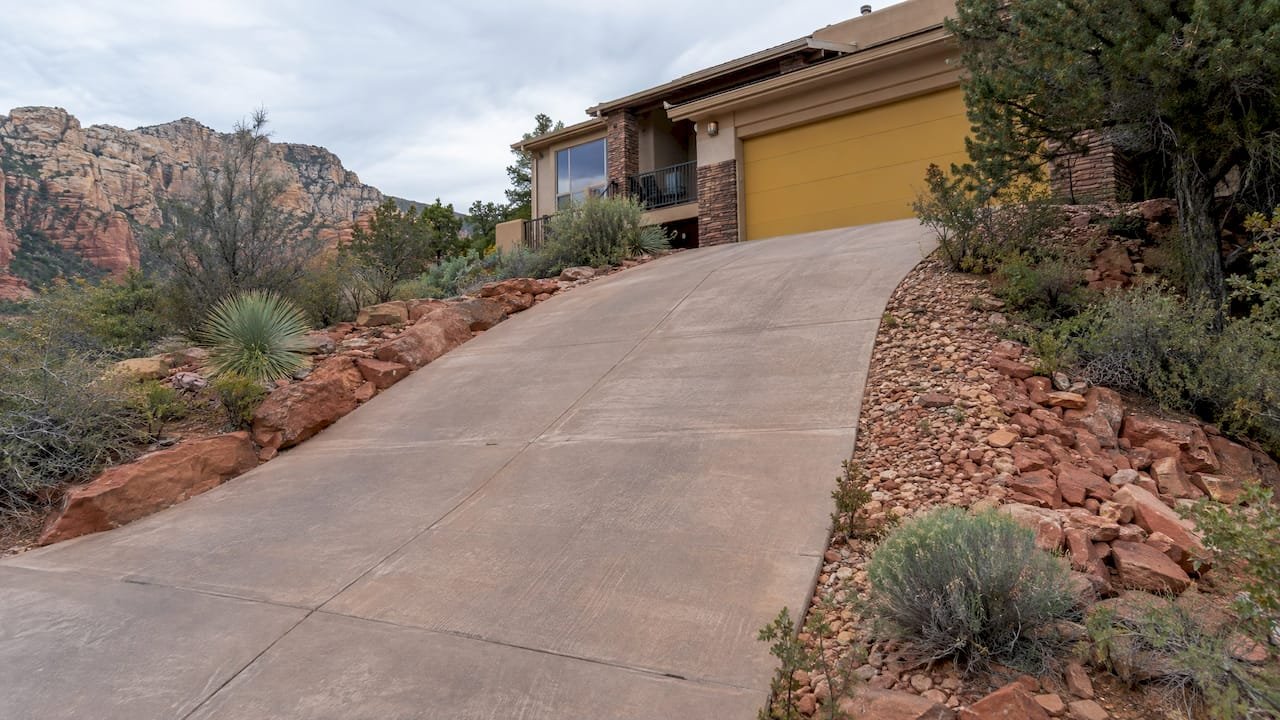
The point isn’t that non-HOA homes are riskier. Plenty of them are excellent rentals. The point is that without an association to standardize things, every property is its own little country, and you’re the immigration officer.
Perspective: how we look at non-HOA STR buying
We are a team of agents focused on short-term rental investment in Sedona, and we represent clients who operate STRs in the top 10% of the rental market. Here is what that has taught us about non-HOA homes.
First, a missing HOA is a reason to look closer, not a reason to relax. The strongest buyers we work with treat the permit, zoning, fire code and parking checks as part of the offer, not an afterthought. That is exactly the kind of homework we do alongside them.
Second, the numbers have to belong to the house. We build a vacation rental CMA around the property’s own features, location and permit position, so the income picture reflects what that address can plausibly do.
Third, an exit plan is part of a good entry. If you buy well, you can sell well, which is why we talk through valuation and exit options before clients ever make an offer.
Chad
Ready to look at specific homes?
If you’re weighing a non-HOA Sedona property, we can help you check the address, build the vacation rental numbers and write an offer that fits the risks. Start on our buyer and seller representation page, or read about our process first.

Sellers with a non-HOA rental can request a Sedona vacation rental CMA and seller prep consultation, or talk through timing in a rental exit strategy and valuation conversation.
FAQ
Can I rent my Sedona home short term if there is no HOA?
Possibly, but the absence of an HOA is only one answer. The home still needs to meet city or county rules, a current permit where required, and Arizona tax registration. Check zoning and structure type first, then permits.
Do I need a permit for each unit?
In the City of Sedona, yes: the city requires a permit for each rental unit, renewed annually. See our permit guide for the pattern, and confirm current fees with the city.
Do I owe tax if my rental has no guests one month?
You may still need to file. The Arizona Department of Revenue says STR operators must file a $0 TPT return when no rentals occur in a filing period. Ask a tax professional how this applies to you.
What are the rules outside Sedona city limits?
In unincorporated Yavapai County, STRs are limited to permitted habitable structures and events like weddings or parties are prohibited, according to the county’s planning FAQ. Our Yavapai County rules page shows what to verify.
Is a non-HOA property better for investors?
It can be, particularly when you want flexibility in how you operate. The right answer depends on the permit position, zoning, safety requirements and the property’s own income potential, which is what a vacation rental CMA is built to show.
Sources
- Short-Term Lodging, Arizona Department of Revenue
- Yavapai County Planning FAQ 2025
- Sedona short-term rental permit summary
- Short-term rental regulation rejected for Sedona mobile home parks, Arizona Capitol Times