
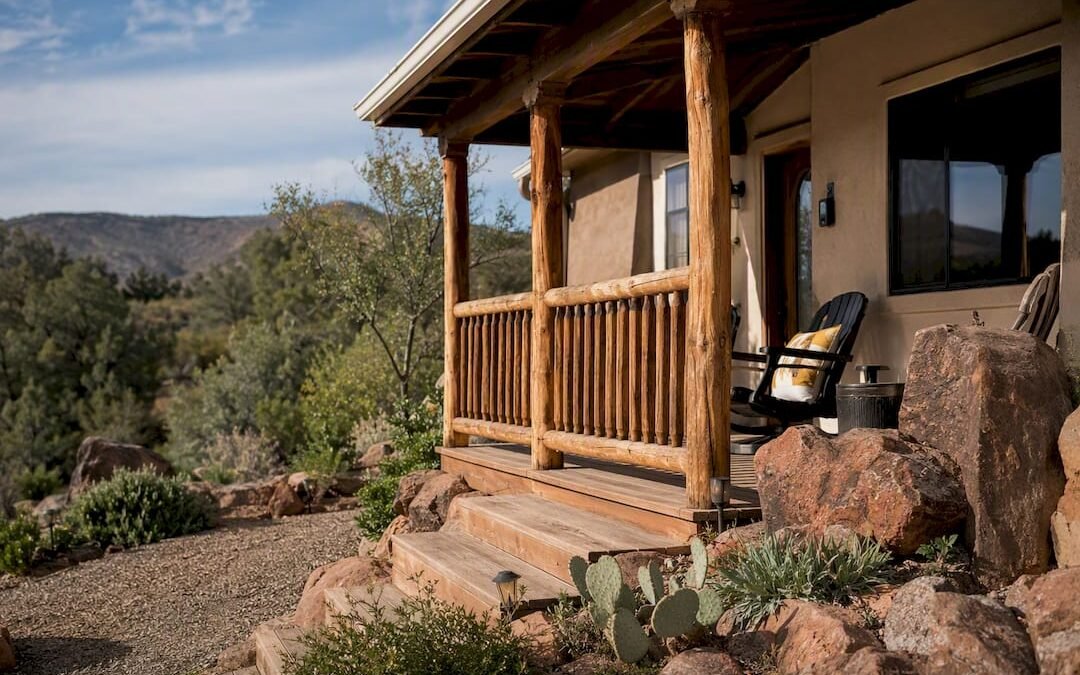
Camp Verde works as a short-term rental investment for buyers who target the right pocket and underwrite conservatively, not for anyone chasing town-wide averages. A Market Score of 76 out of 100 signals real demand, but any listing priced against wishful ADR, or sitting inside an HOA that bans short-term rentals outright, disqualifies itself before you ever list a night.
TL;DR:
- Rely on address-level comps and management quality rather than town averages, as revenue and occupancy vary significantly by specific location.
- Ensure property compliance by verifying HOA restrictions, septic capacity, and road access, especially for riverfront or community-prohibited rentals.
- Budget for seasonal demand fluctuations by considering occupancy dips in July, August, and January, and stress-test financial models at 20-30% below baseline figures.
- River access and outdoor features like pools or hot tubs are primary drivers for higher nightly rates, but their value depends on local comparables.
- Confirm legal rights to operate through official CC&Rs, TPT registration, and proper licensing before making an offer.
Table of Contents
- Camp Verde Airbnb Investment Market Snapshot
- Camp Verde Rental Metrics: ADR, Occupancy, and Seasonality
- What Camp Verde Requires Before You List a Night
- How to Underwrite a Camp Verde Airbnb Investment
- Which Camp Verde Property Features Actually Move ADR
- Managing a Camp Verde Short-Term Rental for Maximum Revenue
- Chad’s Take: What Northern Arizona STR Deals Actually Teach You
- Sources
Camp Verde Airbnb Investment Market Snapshot
Camp Verde is a small market, and that’s the first thing to internalize before you fall for a pro forma. AirDNA counts 132 active short-term rental listings in its most recent snapshot, while Rabbu’s dataset puts the number closer to 54 to 84 depending on the month sampled. That gap isn’t a data error. It reflects how differently each platform defines an “active” listing, and it’s the first lesson in why you never trust a single source when you’re staking real capital on a Camp Verde rental property.
The revenue picture tells a similar story. AirDNA reports average annual revenue around $14.5K, while AirROI’s 2026 dataset lands closer to $16,253, with a higher ADR near $162 against AirDNA’s $144. Neither number is wrong.
Camp Verde by the numbers (reconciled across major providers):
- Active listings: roughly 54 to 132, depending on the data source and month sampled
- Average annual revenue: $14,500 to $16,253
- Average daily rate: $144 to $162
- Occupancy: 36.3% to 45%
- AirDNA Market Score: 76 out of 100
Camp Verde’s location does a lot of the heavy lifting for demand. It sits along the I-17 corridor between Phoenix and Sedona, close enough to the Sedona tourism engine to catch overflow travelers who can’t find (or afford) a Sedona stay, while offering its own draw through the Verde River and Montezuma Castle National Monument. Think of it as Sedona’s quieter, less expensive cousin. Guests who want river access and red-rock views without red-rock prices land here instead.
Camp Verde Rental Metrics: ADR, Occupancy, and Seasonality
Averages hide the real story in Camp Verde, and nowhere is that more true than seasonality. Demand peaks in March, April, and October, when cooler desert temperatures and spring wildflower season pull hikers and river visitors north from Phoenix. StaySTRA’s market reporting confirms this pattern and notes that well-managed listings in these windows regularly post occupancy well above the town average.
Summer is a different animal. July and August bring triple-digit heat that pushes many travelers toward higher elevation (Flagstaff, the Grand Canyon rim) instead of the Verde Valley floor. January carries its own trough, driven by the general post-holiday travel lull rather than weather. A property that only budgets for peak-season ADR and ignores these troughs will consistently overestimate annual revenue.
The distributional spread matters as much as the seasonal one. AirDNA and AirROI both note that top 10% performers in a market like Camp Verde often earn multiples of the median listing, which means the “average” investor case is almost never the case you should underwrite to.
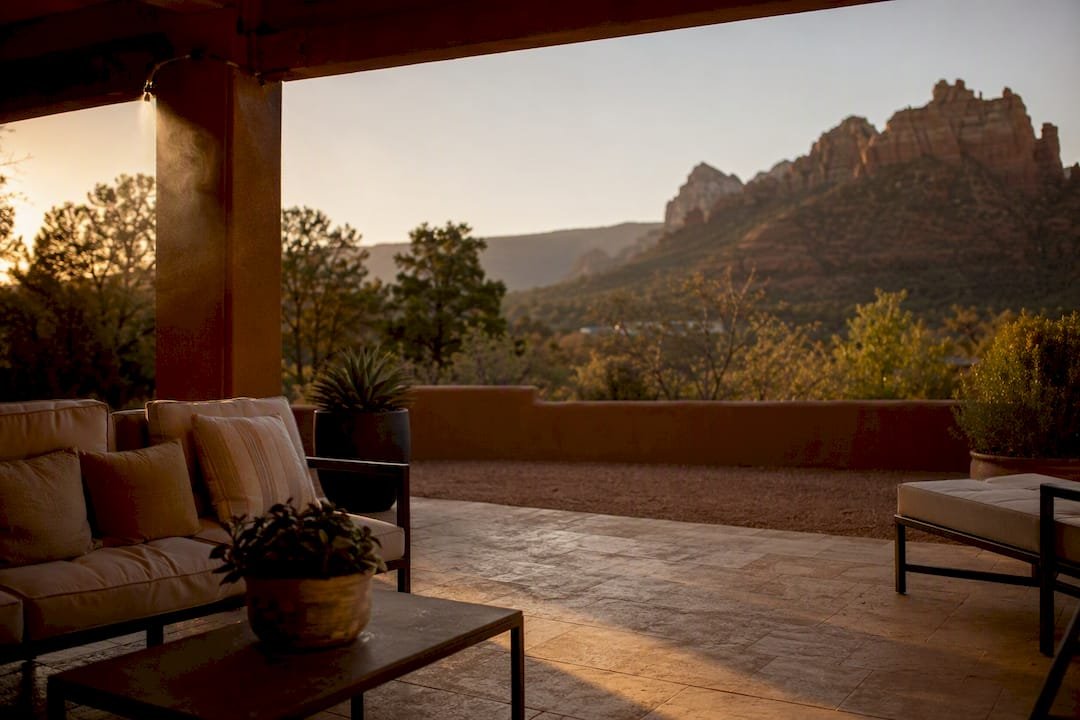
Neighborhood pockets shift these numbers more than almost any other variable. Properties with genuine Verde River access, or a short drive to Montezuma Castle and the Verde Valley Wine Trail, consistently outperform inland comps with identical square footage. A river view is not a nice-to-have here. It’s the single biggest lever separating median performers from the top decile.
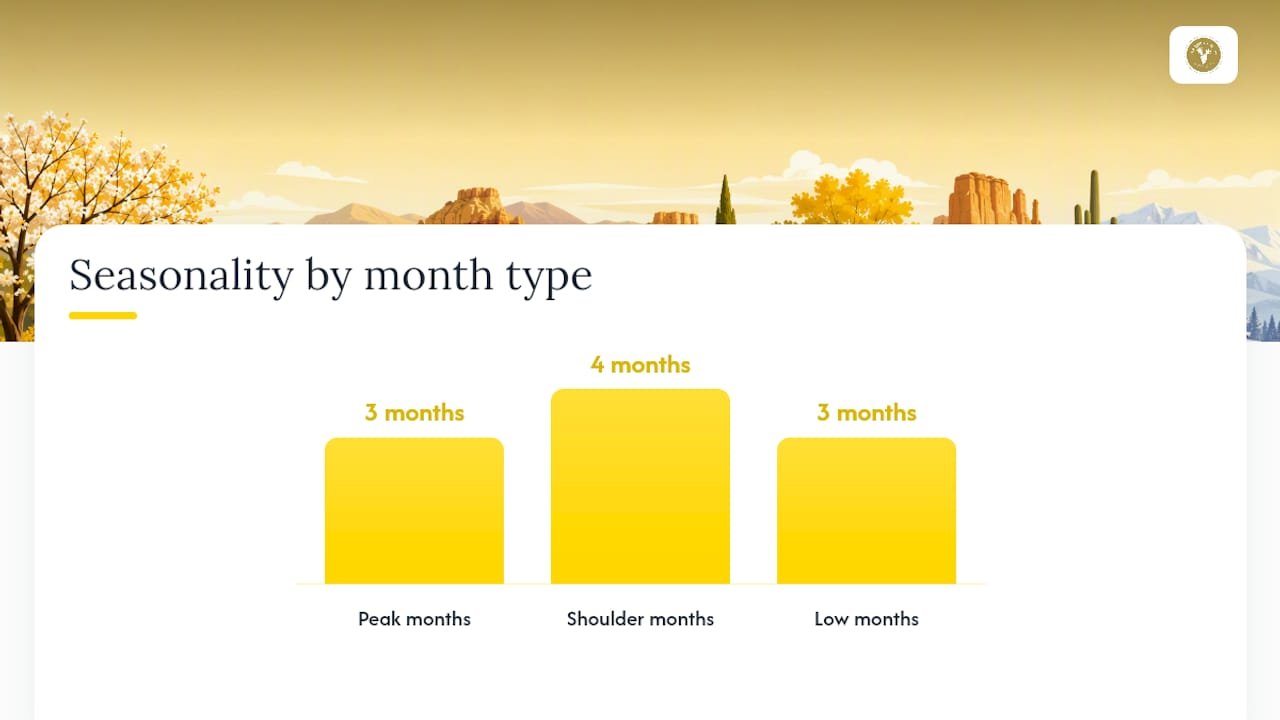
- Peak months: March, April, October
- Shoulder months: February, May, September, November
- Low months: July, August, and January
What Camp Verde Requires Before You List a Night
Arizona settled the “can a town ban short-term rentals” question years ago, and the answer matters for every Camp Verde buyer. Arizona Revised Statutes §9-500.39 preempts municipalities from banning vacation rentals outright. Camp Verde can regulate, register, and tax short-term rentals, but it cannot prohibit them town-wide. That single statute is why Camp Verde has a functioning STR framework at all, unlike some Arizona municipalities that have tried to legislate rentals out of existence.
Compliance itself is straightforward but non-negotiable. Before your first guest checks in, plan to complete these steps:
- Obtain a Camp Verde business license for the short-term rental use, with current owner or designee contact information on file
- Register for Arizona Transaction Privilege Tax (TPT) and confirm how transient lodging tax gets collected and remitted, since town-level guides note fee structures and reporting requirements that shift periodically
- Document building and fire-safety compliance as required by the town’s licensing process
- Carry liability insurance at a level that reflects short-term rental exposure, not a standard homeowner policy
- Pull HOA documents and CC&Rs during due diligence, since some communities, including Verde Ranch Estates in prior cases, explicitly prohibit short-term rentals regardless of what the town allows
Pro Tip: Never rely on a listing agent’s verbal assurance that “short-term rentals are fine here.” Request the recorded CC&Rs directly from the title company and read the rental restriction clause yourself before you write an offer.
How to Underwrite a Camp Verde Airbnb Investment
Town averages are a starting point, never a substitute for address-level analysis. A $14,500 to $16,253 average annual revenue figure blends dozens of properties with wildly different ADR, occupancy, and management quality. Before you make an offer, pull comps for the specific street, or at minimum the specific sub-market, and weight them toward properties with amenities similar to what you’re buying. The Sedona Airbnb valuation framework that applies across the Verde Valley works the same way here: comparable-specific data beats blended averages every time.
Your cost stack needs to include every line item that erodes gross revenue, not just the obvious ones:
- Financing costs (rate, term, and whether the lender treats this as investment property)
- Property insurance at short-term rental levels, not standard homeowner rates
- Property management fees if you’re not self-managing
- Utilities, which run higher on STRs than long-term rentals due to guest usage patterns
- Turnover costs: cleaning, linens, and consumables between every stay
- TPT and transient lodging tax remittance
- A capital reserve for maintenance and eventual furniture/appliance replacement
- A stress scenario for potential transient lodging tax increases, given recent town council activity around STR taxation
Run your model against a stress case, not just the base case. If the property still cash flows under both stressed assumptions, you have real margin. If it only works at the median AirDNA or AirROI figures, you’re underwriting to an average that top-tier listings routinely beat and bottom-tier listings routinely miss, and you have no cushion if your property lands in the wrong half.
- Pull address-level or street-level comps, not town averages
- Build a full cost stack including taxes, reserves, and management
- Stress-test occupancy and ADR at 20 to 30% below base case
- Confirm whether your target property profile matches top 10% or median performance drivers
Which Camp Verde Property Features Actually Move ADR
River access is the single feature that most reliably separates a median Camp Verde listing from a top-decile one. Properties within walking distance of the Verde River, or with direct frontage, command premium ADR because guests are booking the water access as much as the house. A pool or hot tub is the second-biggest lever, especially given the summer heat that otherwise suppresses demand.
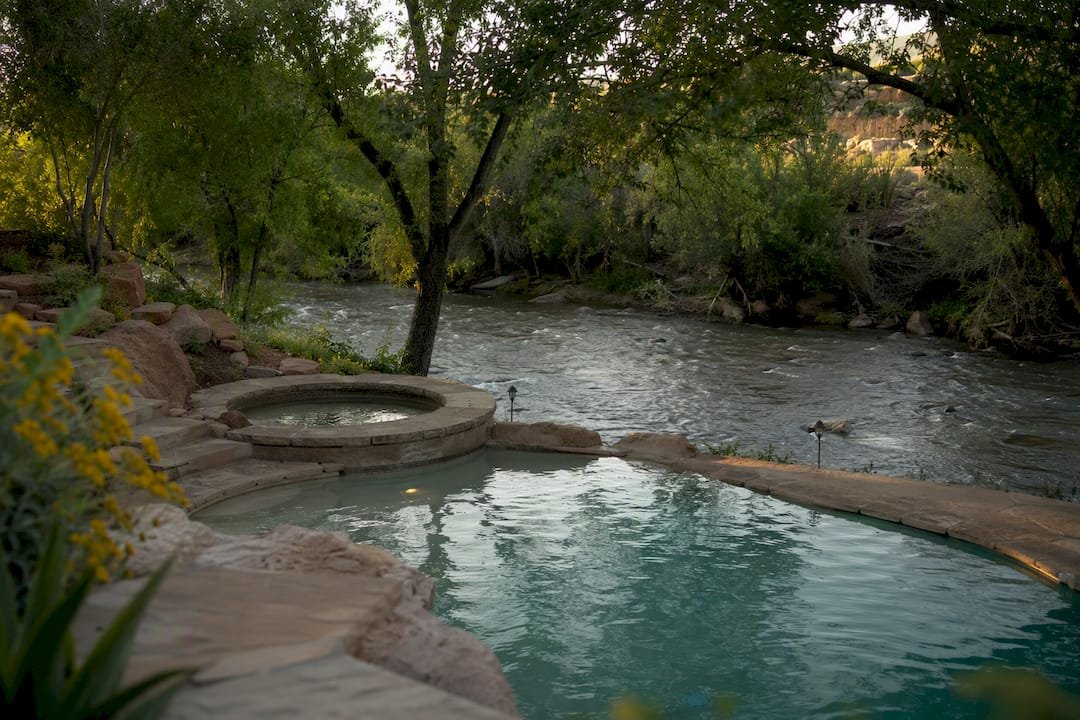
Outdoor living space, reliable high-speed Wi-Fi, and dependable well or municipal water service round out the list of features that consistently justify higher nightly rates. Airbnb’s own Camp Verde listing inventory shows pools appearing across a large share of top-reviewed properties in the area, which tells you what guests are actually booking for, not just what owners think matters.
Before you write an offer, verify these deal-breakers directly rather than trusting a listing sheet:
- CC&Rs and HOA covenants that prohibit short-term rentals, which have shut down deals in communities like Verde Ranch Estates
- Septic system capacity and condition, since guest turnover puts more strain on it than a single-family household
- Road access and easements, particularly for properties near the river where seasonal flooding can affect drivability
Pro Tip: If you’re weighing a pool addition or outdoor living upgrade, price the renovation against the ADR premium those features actually command in your specific sub-market, not a generic “pools add value” assumption. A $40,000 pool only makes sense if comparable pooled properties are earning at least $8,000 to $10,000 more per year than non-pooled comps nearby.
Managing a Camp Verde Short-Term Rental for Maximum Revenue
Self-managing versus hiring a local property manager is the first operational decision, and it shapes your net yield more than almost any pricing tactic. Professional managers in the Verde Valley typically charge in the range of 20 to 30% of gross revenue, but they bring dynamic pricing expertise, guest communication systems, and cleaning networks that most self-managing owners can’t replicate without a serious time investment.
Dynamic pricing tools adjust nightly rates based on demand signals, and in a seasonal market like Camp Verde, that matters more than in a market with flatter demand. Pair dynamic pricing with a minimum-stay requirement during peak months (March, April, October) to protect against single-night bookings that create costly turnover gaps.
- Consider a local property manager if you don’t live within driving distance or can’t handle same-day turnover logistics
- Use dynamic pricing tools rather than fixed nightly rates, especially across seasonal swings
- Set minimum-stay requirements during peak months to reduce turnover frequency and cleaning costs
- Invest in professional photography, since Camp Verde’s river and outdoor features photograph dramatically better than interior shots alone
Pro Tip: Bundle a low-cost guest experience, like a river access map or a curated list of Montezuma Castle and wine trail stops, into your welcome materials. It costs almost nothing and consistently shows up in five-star reviews, which compounds into better search placement on Airbnb itself.
Chad’s Take: What Northern Arizona STR Deals Actually Teach You
Every Camp Verde deal Chad has walked through with buyers eventually comes down to the same question: does the CC&R paperwork match what the listing agent claims? The properties that turn into problems aren’t usually the ones with bad numbers. They’re the ones where a buyer trusted a verbal assurance instead of pulling the actual recorded covenants.
The biggest mistake we see isn’t overpaying for ADR. It’s buyers skipping the CC&R and title review because a property “seems fine” and everyone else on the street already runs a short-term rental. That assumption has ended more than one Verde Valley deal at the closing table.
The Equity Team specializes in Sedona and Verde Valley short-term rental transactions, which means Camp Verde deals get evaluated with the same rigor as every Sedona listing: address-level revenue data, not town averages, and a full CC&R pull before any offer goes in.
Before you move on a Camp Verde property, request:
- The most recent 12 months of actual booking data if the property is already operating as an STR
- Recorded CC&Rs and HOA documents, reviewed specifically for rental restriction language
- Confirmation of current TPT registration status and any outstanding tax liability tied to the property
- A septic inspection report if the property isn’t on municipal sewer
Who Should Pursue a Camp Verde Airbnb Investment
Camp Verde suits investors who want lower entry prices than Sedona, can tolerate a smaller, more seasonal market, and are willing to underwrite at the address level instead of trusting a blended average. If you need a hands-off, high-liquidity market with dozens of comparable exits, look elsewhere in the Verde Valley corridor. If that’s you, get a tailored Camp Verde property brief from The Equity Team before you write an offer.
— Chad
Why Buyers Work With The Equity Team on Camp Verde Deals
Equity Team is the alternative to generic online listing searches for Camp Verde and Verde Valley short-term rental buyers: we source address-level revenue comps, verify CC&Rs before you ever tour a property, and handle the TPT and licensing paperwork that trips up out-of-state investors.
Buying a short-term rental in a market this small means every deal detail matters more than it would in a large metro. As the first STR-specialized agent group in Northern Arizona, we represent buyers targeting the top tier of Camp Verde, Sedona, and the broader Verde Valley rental market, not the median listing everyone else is competing for. We negotiate on your behalf, flag HOA and title red flags before they cost you a deal, and connect you with the licensing steps Camp Verde actually requires. If you’re ready to see what’s currently available and get a property-specific revenue estimate, find the right short-term rental investment property with our team today.
Key Takeaways for Camp Verde Airbnb Investors
Camp Verde works for selective buyers targeting top-tier features and clean title, not for anyone underwriting off a blended town average.
- Verify CC&Rs and HOA covenants before writing any offer, since bans exist in specific Verde Valley communities
- Pull address-level revenue comps instead of relying on town-wide AirDNA or AirROI averages
- Budget explicitly for the July/August and January seasonal troughs, not just peak-season ADR
- Watch for potential transient lodging tax changes coming out of town council activity
| Metric | Reported range |
|---|---|
| Average annual revenue | $14,500 to $16,253 |
| Average daily rate (ADR) | $144 to $162 |
| Occupancy | 36.3% to 45% |
| AirDNA Market Score | 76 out of 100 |
Sources
- Arizona Revised Statutes §9-500.39 (Vacation rentals; municipal authority)
- Camp Verde, AZ Airbnb & Short-Term Rental Data (2026) — AirDNA
- Camp Verde, Arizona Airbnb Market Data 2026 — AirROI
- Camp Verde market report — StaySTRA