

A Sedona investment property inspection is defined as a multi-disciplinary evaluation of a property’s structural, mechanical, environmental, and legal condition, tailored specifically to Sedona’s terrain, climate, and short-term rental regulations. This goes well beyond what a standard home inspection covers. Investors targeting Sedona short-term rentals face a quirky but very real set of challenges: red rock drainage, monsoon season surprises, intense UV exposure, and a zoning environment that rewards those who do their homework. Getting this inspection right is the difference between a thriving STR and a money pit with a breathtaking view.
What is a Sedona investment property inspection?
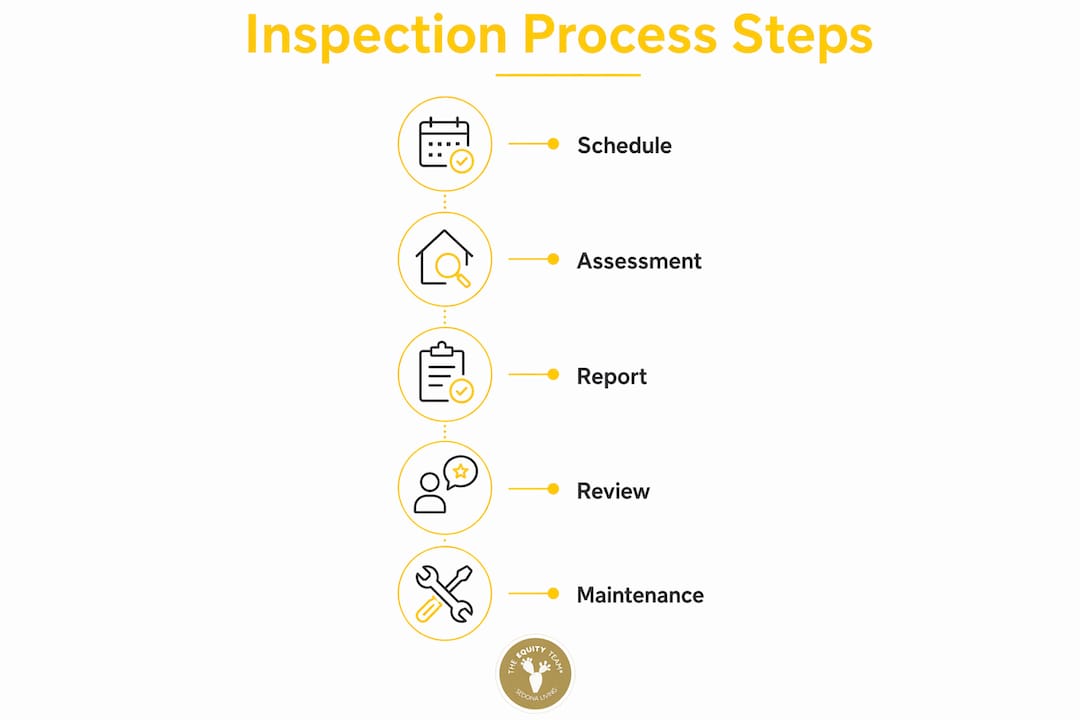
A Sedona investment property inspection is a multi-discipline assessment covering structural integrity, mechanical systems, environmental compliance, and legal or zoning adherence. Standard home inspections check boxes. Investment-grade inspections protect capital.
The industry term for the most rigorous version of this process is a Property Condition Assessment, or PCA. The ASTM E2018-15 standard governs PCAs and requires qualified consultants, including licensed engineers, to conduct the evaluation. That level of rigor matters for Sedona STR properties because the financial stakes are high and the local conditions are genuinely unusual.
Inspection types investors should know:
- General property inspection: A licensed inspector reviews visible systems and components. Good for a baseline read.
- Property Condition Assessment (PCA): Engineer-led, ASTM E2018-15 compliant, and the gold standard for investment-grade due diligence.
- Phase I Environmental Site Assessment: Screens for environmental contamination history. Relevant for older Sedona properties or those near commercial corridors.
- Phase II Environmental Site Assessment: Involves physical sampling when Phase I raises red flags.
Pro Tip: Schedule a PCA rather than a basic home inspection for any Sedona property you plan to operate as a short-term rental. The added cost is minor compared to the repair surprises a general inspection misses.
32 states require mandatory home inspector licensing, but investment properties routinely need specialized assessments that go beyond what a licensed generalist provides. Arizona is one of those states where investors who rely only on a standard inspection often find out the hard way.
How does Sedona’s geography and climate affect the inspection?
Sedona’s terrain is gorgeous and genuinely tricky. The sloped, rocky landscape creates drainage and foundation challenges that flat-terrain inspectors simply do not think to look for. Monsoon season rainfall exposes flashing failures, inadequate guttering, and grading problems that are completely invisible during dry conditions. An inspector who has never worked a Sedona property in july or august is working with a blindfold on.
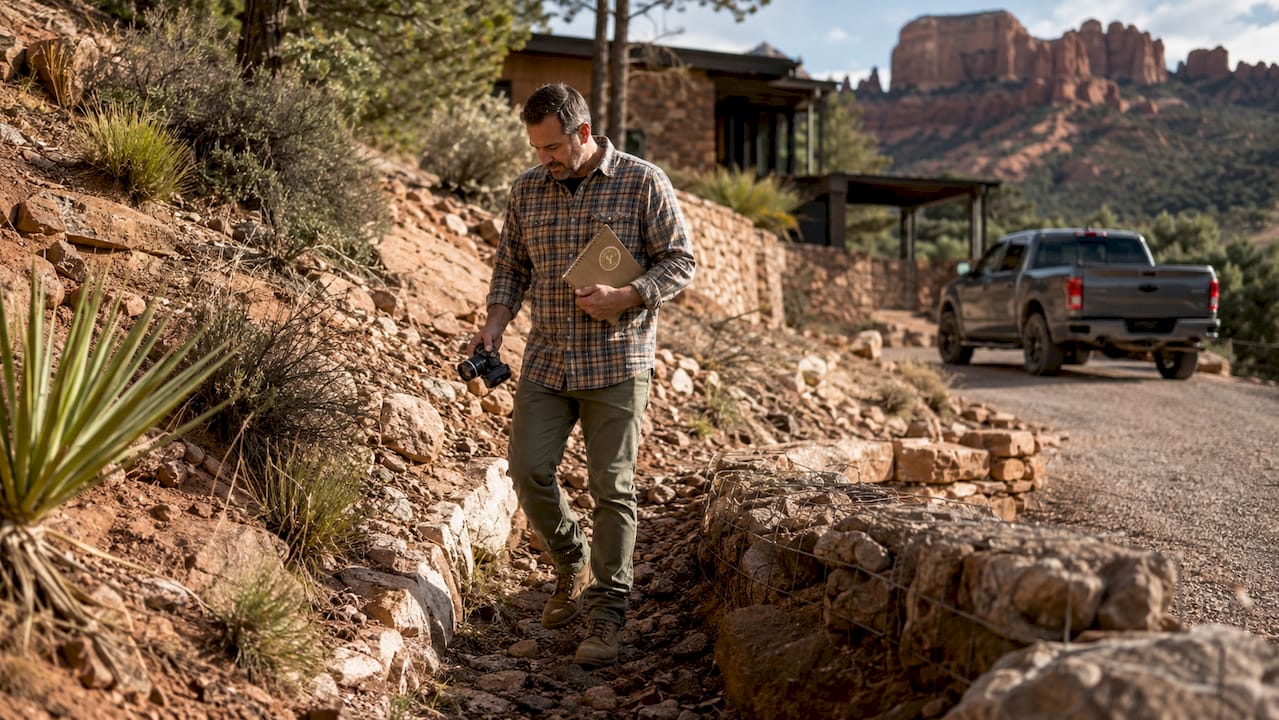
The sun is another character in this story. Sedona’s high UV index accelerates degradation of roofing materials, exterior coatings, and sealants at a rate that surprises investors coming from cooler or cloudier markets. A roof that looks fine in a photo can be years past its functional life when examined up close by someone who knows what UV-baked shingles actually look like.
Key geographic and climate risks to assess:
- Foundation and grading: Rocky slopes create uneven settling and drainage paths that redirect water toward foundations.
- Roofing and flashing: UV exposure and monsoon rain are a punishing combination. Flashing failures are the most common defect found after the first big storm.
- Guttering and erosion control: Sedona’s terrain accelerates erosion. Gutters that are undersized or improperly pitched become a liability fast.
- Exterior coatings: Paint, stucco, and sealants degrade faster here than in most U.S. markets. Budget for more frequent exterior maintenance.
- Drainage and grading around the structure: Improper grading sends monsoon runoff straight toward the foundation.
“Environmental and structural inspection nuances in Sedona demand specialist inspectors to avoid costly oversights during due diligence.” — Local Home Inspector, Agave Property Inspections
Companies like Aspen Home Inspections bring decades of Northern Arizona experience to their reports. That local knowledge is not a luxury. It is the reason their reports catch things a generalist from Phoenix or Scottsdale would walk right past.
Pro Tip: Schedule inspections before monsoon season (june through september) if possible. A pre-monsoon inspection gives you a baseline, and a post-storm walkthrough reveals what the rain actually does to the property.
What legal and zoning factors shape the inspection process?
Sedona’s STR zoning laws directly affect what an investment property inspection needs to cover. Zoning nuances determine permit requirements, occupancy limits, and which neighborhoods allow short-term rentals at all. An inspection that ignores these factors leaves investors exposed to legal risk that no amount of fresh paint can fix.
The legal and compliance checklist for a Sedona STR inspection includes:
- Certificate of occupancy: Verify the property has a valid, current certificate that matches its intended use.
- Permit history: Unpermitted additions or renovations are a common problem in Sedona. Any work done without permits becomes the buyer’s liability.
- STR-specific zoning compliance: Confirm the property sits in a zone that permits short-term rental operations. Sedona’s zoning map has changed in recent years, and assumptions are expensive.
- Code compliance for guest safety: STR properties face stricter scrutiny on smoke detectors, carbon monoxide detectors, egress windows, and pool fencing.
- HOA restrictions: Some Sedona communities layer HOA rules on top of city zoning. Both need review.
Integrating legal compliance into the inspection contingencies protects investors at the contract level. A well-written inspection contingency gives buyers the right to exit or renegotiate if compliance issues surface. Skipping this step is one of the most common and costly mistakes Sedona investors make.
How does a thorough inspection benefit Sedona STR investors?
A thorough Sedona real estate inspection does more than confirm a property is structurally sound. It functions as a planning document for the entire investment. Comprehensive inspections provide documentation that supports negotiation, tax depreciation strategies, and long-term budget planning.
Here is how that plays out in practice:
- Negotiation leverage: Inspection findings give buyers documented grounds to request price reductions or seller-funded repairs before closing. A $15,000 HVAC replacement finding is a real negotiating chip.
- Budget planning: Knowing the condition of every major system before closing means no surprise capital calls in year one. Investors can model realistic cash flow from day one.
- Tax depreciation support: Proper inspection documentation supports cost segregation studies and depreciation strategies for the 2026 tax year. Component-level condition reports make this process faster and more accurate.
- Tenant and guest safety: STR guests expect a safe, well-maintained property. Documented inspections reduce liability and support positive reviews, which directly affect revenue.
- Long-term asset value: Catching deferred maintenance early prevents small problems from becoming structural ones. A $500 flashing repair today avoids a $12,000 water damage remediation next monsoon season.
Pro Tip: Treat the inspection report as a living document. Update it annually and use it to track maintenance cycles. Investors who do this consistently outperform those who only inspect at purchase.
Viewing inspections as strategic planning tools rather than a closing formality unlocks greater tax and operational advantages. The investors who get the most out of Sedona STR properties are the ones who treat the inspection as the first chapter of their asset management plan, not the last step before signing.
Key Takeaways
A Sedona investment property inspection is the most important due diligence step for STR investors, covering structural, environmental, mechanical, and legal factors that standard home inspections miss entirely.
| Point | Details |
|---|---|
| Use a PCA, not a basic inspection | ASTM E2018-15 Property Condition Assessments provide the depth investment-grade Sedona properties require. |
| Local expertise is non-negotiable | Inspectors familiar with Sedona’s terrain and climate catch defects that generalists routinely miss. |
| Zoning compliance is part of the inspection | Verify STR permits, certificates of occupancy, and code compliance before closing. |
| Inspections support tax strategy | Detailed component reports enable cost segregation and depreciation planning for 2026. |
| Findings drive negotiation | Documented defects give buyers real leverage to reduce price or require seller repairs. |
What I have learned about Sedona inspections after years in this market
Sedona is one of those markets where the beauty of the place can genuinely distract investors from the business of the place. I have watched buyers fall in love with a view and skip the hard questions about drainage, permits, and roofing. That is an expensive kind of romance.
The single biggest mistake I see is hiring an inspector who does not know Sedona specifically. Northern Arizona has its own building norms, its own seasonal risks, and its own regulatory quirks. A generalist from the Valley does a competent job on a Phoenix ranch house. On a Sedona hillside property with a flat roof and a monsoon-facing drainage slope, that same inspector misses things that cost real money.
The second mistake is treating the inspection as a pass/fail test. The report is not a verdict. It is a map. Every finding is either a negotiation point, a budget line item, or a maintenance schedule entry. Investors who read it that way make better decisions at every stage of ownership.
My advice: hire local, hire specialized, and read the report like a business document. The STR market in Sedona rewards investors who do the work upfront. The red rocks are not going anywhere. The opportunity, however, moves fast.
— Chad
Equity Team can help you find the right Sedona STR property
Equity Team is the first STR-specialized real estate team in Northern Arizona, and the inspection process is one of the many areas where that specialization pays off for clients.
When you work with Equity Team, you get agents who understand what a Sedona investment property inspection should cover, which inspectors to trust, and how to use findings to negotiate a better deal. The team represents buyers and sellers operating in the top 10% of the Sedona STR market. If you are ready to find a property that is built to perform, start your search here and connect with the team that knows this market inside and out.
FAQ
What is a Sedona investment property inspection?
A Sedona investment property inspection is a multi-disciplinary evaluation covering structural integrity, mechanical systems, environmental compliance, and STR zoning adherence, going well beyond a standard home inspection.
How is a Property Condition Assessment different from a home inspection?
A Property Condition Assessment follows the ASTM E2018-15 standard and requires qualified engineers, making it the appropriate choice for investment-grade Sedona properties.
Why does Sedona’s climate matter for property inspections?
Sedona’s intense UV exposure and monsoon season create roofing, flashing, and drainage failures that are invisible during dry conditions and require local inspector expertise to identify.
Do Sedona STR properties need zoning verified during inspection?
Yes. Sedona STR zoning laws affect permit requirements and operational approvals, so zoning compliance must be confirmed as part of any investment property inspection.
Can an inspection improve my negotiating position?
Documented inspection findings give buyers concrete grounds to request price reductions or seller-funded repairs, making the inspection one of the most effective negotiation tools available before closing.