

Sedona sells red rocks, quiet mornings and the occasional vortex. It does not sell a dripping water heater. The best pre-listing repairs in Sedona are the ones that remove buyer doubt cheaply: safety items, anything that fails an inspection, anything that makes a home look neglected, and anything that would otherwise be a negotiating chip. Cosmetic upgrades and big remodels usually need a closer look before a dollar is spent. Whatever gets fixed, the paper trail matters almost as much as the work.
This guide walks through how to sort repairs, what Arizona rules say about documenting them, and how short-term rental (STR) owners have a few extra wrinkles.
TL;DR
- Fix what an inspector will flag, what affects safety, and what screams “deferred maintenance.” Skip big remodels unless the numbers clearly back them.
- Arizona sellers must disclose known material facts, and repairs count. Keep invoices, permits and receipts for everything.
- Older homes, septic systems and DIY work each carry their own rules, so check them before the listing goes live.
- STR owners should repair for the guest experience and the buyer’s inspection, then let a valuation, not a hunch, decide what is worth upgrading.
- A pre-listing walk-through with a local agent costs nothing and often saves thousands.
Table of Contents
- Why repairs matter more in Sedona than in most towns
- How to sort repairs into three piles
- The inspection-first approach
- What Arizona expects you to disclose
- Three Arizona rules that trip up sellers
- A sample repair budget logic
- Photos and presentation: repairs that show
- Short-term rental owners: a few extra twists
- What about selling as-is?
- Our perspective: fix less, document more
- Get a Sedona repair plan before you spend a dollar
- FAQ
- Sources
Why repairs matter more in Sedona than in most towns
Sedona homes live a dramatic life. Intense sun bakes roofs and exterior paint. Monsoon storms test gutters and drainage. Hard water leaves its signature on fixtures and water heaters. Many homes sit on slopes, on septic systems, or at the end of a gravel drive, and a good share double as vacation rentals that see far more wear than a typical primary residence.
Buyers here are often out-of-state, often paying a premium, and often buying remotely. A remote buyer cannot feel the vibe of a house in person, so the inspection report does a lot of the talking. A clean report reads like a love letter. A long one reads like a breakup text.
How to sort repairs into three piles
The simplest method is the three-pile test. Walk the property with a notepad (or a friend with sharp eyes) and put every item in one of these piles.
Pile one: fix before listing
These are items that are cheap relative to the doubt they create.
- Safety items: missing smoke or carbon monoxide detectors, loose railings on decks and stairs, exposed wiring, tripping hazards on walkways.
- Active leaks and water damage: under sinks, around the water heater, on ceilings. Water stains invite questions about mold, and mold invites more questions.
- Systems that do not work: HVAC that struggles in July, a dead garbage disposal, a garage door that sticks, a broken appliance that is staying with the house.
- Small things that add up: cracked outlet covers, doors that will not latch, torn screens, burned-out bulbs. Each is trivial. Together they tell a buyer that nobody has been paying attention.
- Exterior basics: peeling trim, clogged gutters, damaged stucco patches, cracked glass.
Pile two: price it in or offer a credit
Some work is expensive, disruptive, or a matter of taste: an aging roof with life left in it, dated kitchens, worn flooring, old windows. A buyer may prefer to choose their own finishes. Often the smart move is to be upfront, price the home accordingly, and let the buyer decide. Your agent can pull comparable sales to show how similar homes with and without the upgrade actually sold.
Pile three: leave alone
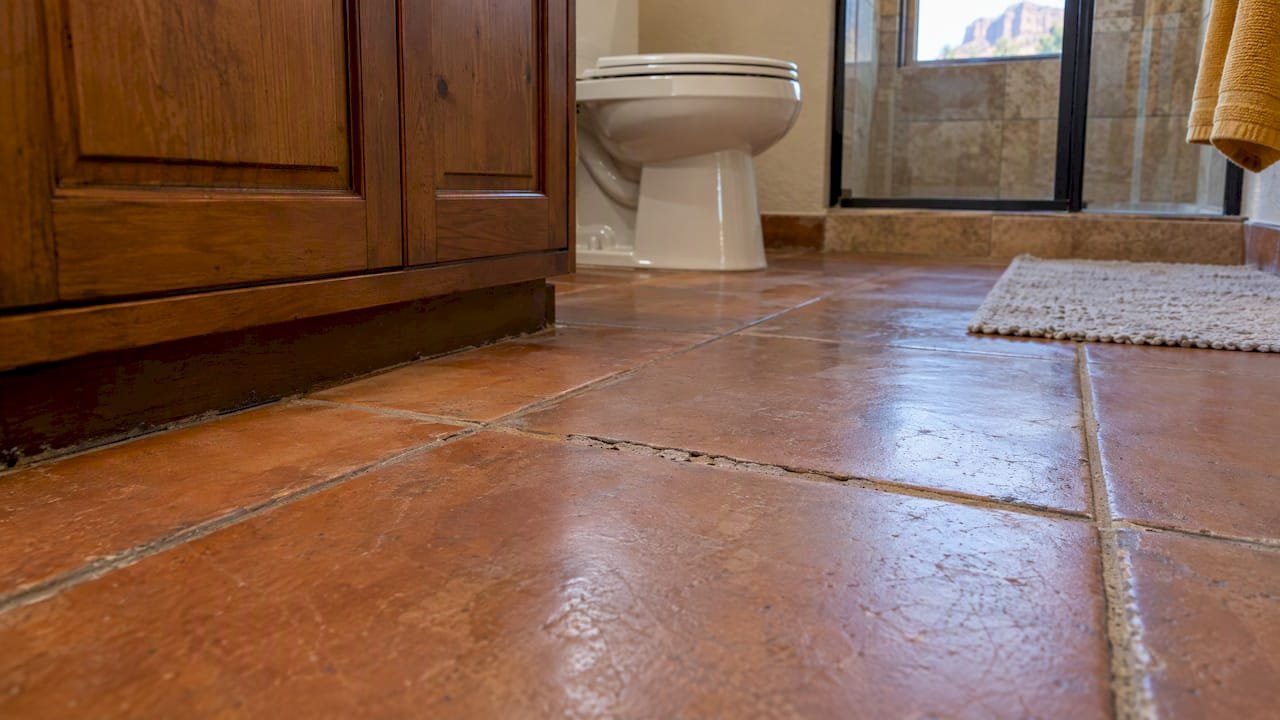
Character is not a defect. Sedona has plenty of homes with quirky floor plans, saltillo tile and a certain 1980s adobe swagger. Not everything needs to be modernized. Ripping out something a buyer might love is a fast way to spend money and lower appeal.
The inspection-first approach
The most useful single step is to find out what the buyer’s inspector will find before the buyer’s inspector finds it. A pre-listing inspection from a licensed home inspector gives a seller a punch list with time to price repairs, get more than one bid, and schedule work without the pressure of a closing deadline.
In Arizona the negotiation after a buyer’s inspection runs through a written notice and response. The Buyer’s Inspection Notice and Seller’s Response (BINSR) process records which repairs the buyer wants and how the seller answers. Sellers who have already handled the obvious items usually face a shorter, calmer list.
One more tip: do the walk-through like a guest, not an owner. Checklists built for landlords, such as this property inspection guide from a Melbourne moving company, are Australian in context, but the habit of going room by room with a camera and a list translates anywhere, including a Sedona casita.
What Arizona expects you to disclose
This is the part that surprises people. Fixing something does not make it vanish from the conversation. The Arizona Association of REALTORS seller disclosure form opens with a plain message: sellers are required by law to disclose known material facts about the property. A past leak that was repaired, a roof patch, or a plumbing replacement can all be part of the story.
The state’s Buyer Advisory also notes that agents are not responsible for verifying a seller’s statements, which means the burden of backing up a disclosure sits with the seller. Invoices, permits and receipts are what turn a claim into proof.
Arizona statute also addresses what agents themselves must disclose about a property, and it makes clear that certain facts do not need to be volunteered as grounds for ending a deal. That is a rule about licensees, not a free pass for sellers. When in doubt, the form itself says to disclose.
A simple paper trail
For every repair, keep a folder (digital works fine) with:
- The contractor’s name, license information and invoice.
- Before and after photos with dates.
- Any permit and final sign-off.
- Warranty paperwork for new equipment or roofing.
- A short note on what was found and what was done.
Sedona is a small town. A tidy folder travels well from listing agent to buyer’s agent to lender.
Three Arizona rules that trip up sellers
DIY work is not invisible
Owners love a weekend project. Arizona has a rule for that. Contractors are generally required to be licensed for residential work, with exceptions for small jobs: the total price of labor and materials under $1,000, work of a casual or minor nature, and no building permit required. The disclosure form further explains that when an owner does unlicensed work and then offers the property for sale or rent within one year of completion, that timing is treated as prima facie evidence the work was done for sale or rent. The practical takeaway: do not rush a big DIY project right before listing, and if one was done, document the scope and any permits. A pre-listing handyman fix is fine, but hire licensed trades for anything bigger, and keep the receipt.
Septic systems have a clock
Many homes in and around Sedona are on septic. The Arizona Department of Real Estate notes that a resale triggers a mandatory inspection of on-site wastewater treatment facilities, performed by a qualified inspector within six months before the transfer of ownership. Scheduling it early avoids a mid-escrow scramble, and if the system needs work, there is time to get quotes.
Older homes and lead-safe work
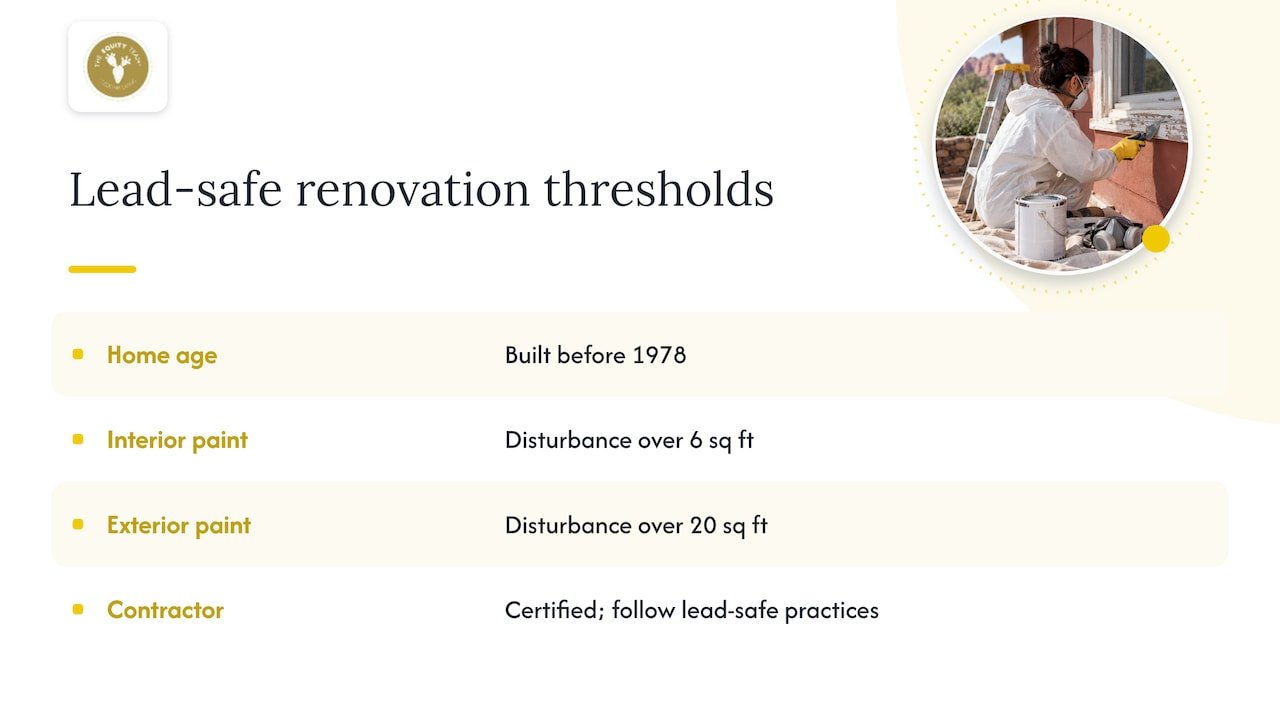
Sedona has plenty of homes built before 1978. Federal law, enforced by the EPA, requires contractors who disturb painted surfaces in homes built before that year to be certified and follow lead-safe work practices. The EPA’s renovation guide says to always ask to see the contractor’s certification. The agency’s rule covers renovations disturbing more than 6 square feet of interior or 20 square feet of exterior painted surface. So a seller repainting a 1970s trim line, sanding old window frames or opening a wall should hire a certified firm and keep the paperwork. Arizona’s real estate department also points consumers to lead-based paint resources from the EPA and HUD.
A sample repair budget logic
No two houses match, so treat this as a framework and not a price list. Contractor quotes come from your own area, and this article does not offer numbers it cannot source.
| Item | Typical decision | Why |
|---|---|---|
| Active plumbing leak | Fix | Water damage invites mold questions |
| Missing detectors, loose railings | Fix | Safety, and cheap |
| Failing HVAC | Fix or get a quote to share | Desert summers make this a dealbreaker |
| Roof with remaining life | Document, disclose, price | Buyers often prefer an honest age and a repair history |
| Dated kitchen | Usually leave | Taste varies, cost is high |
| Exterior paint and trim | Touch up or repaint if worn | First impression from the street and the photos |
| Septic inspection | Schedule early | State resale requirement |
| Landscaping debris, clutter | Clean up | Free or nearly free, high visual payoff |
The general rule: spend where the dollars protect the price, not where they merely feel productive.
Photos and presentation: repairs that show
Repairs only help if they show up in the listing. Fresh paint on a scuffed hallway photographs better than a perfect hidden water heater. A cleaned patio, trimmed junipers and a clear view of the red rock backdrop do more than another round of staging pillows. Our guide to Sedona listing photography best practices covers what to have ready before the photographer arrives, and the piece on marketing a luxury Sedona home goes deeper for higher-end properties.
Timing matters too. Repairs take longer in a small town with a limited pool of trades, so build the schedule backward from the listing date. The Sedona real estate seller timeline shows where repairs fit in.
Short-term rental owners: a few extra twists
An STR is a house with a job. It gets more guests, more laundry, more door slams and more mystery stains than a typical home. That has two effects on pre-listing repairs.
Wear shows. Guest-heavy properties often have scuffed baseboards, worn grout, tired mattresses and dinged furniture. Buyers who tour an STR expect polish, since the listing photos probably look like the Airbnb page. Refresh what a guest would notice first.
The numbers drive the strategy. Buyers of rentals underwrite the income. Upgrades that raise bookings or nightly rates may be worth it, but average revenue does not automatically translate into a higher appraisal. Our analysis of how Airbnb revenue relates to appraised value in Sedona is a good read before committing to a big spend. The Sedona Airbnb valuation guide shows how buyers run the math.
Sellers also need to plan for the closing side: inventory, bookings already on the calendar, and taxes. The article on preparing a Sedona rental for sale covers the tax traps, and wildfire and escrow steps matter for defensible space and insurance, which can come up during escrow in the Verde Valley.
What about selling as-is?
Some sellers skip repairs entirely and sell as-is, either on the open market or to an investor. Companies that buy houses for cash in any condition exist, and they can make sense when a property needs major work, time is short, or the owner has no energy for contractors. The tradeoff is usually price: such offers reflect the repair cost and the buyer’s margin. Sellers weighing that route can read one explanation of selling a house without repairs from a Rhode Island cash buyer to understand how those offers are framed, then compare it with a market valuation of their Sedona home. In a market with strong buyer demand, a listed home with a few well-chosen repairs often earns more, but a comparative market analysis is the way to check.
Our perspective: fix less, document more
We work with Sedona STR owners every week, and the pattern repeats. Sellers tend to either over-renovate out of nerves or under-prepare out of fatigue. Both cost money.
Here is how we think about it. Buyers in our market forgive age. They do not forgive surprises. A 15-year-old roof with a documented history of maintenance is a conversation. A roof nobody mentions that leaks in the first storm is a lawsuit waiting for a lawyer.
So we encourage owners to do four things before listing: walk the home with us, get a pre-listing inspection when the home is older or heavily used, fix the safety and function items, and build the paper folder. Then we price using real comparable sales, because a price that already reflects an honest condition is the easiest price to defend. For rentals, we also review the income story, since a buyer paying for a top performer wants to know that deferred maintenance is not hiding behind the star ratings.
The work you do not do can be as strategic as the work you do.
— Chad
Get a Sedona repair plan before you spend a dollar
If you are unsure which pile your projects belong in, we offer a seller prep consultation and a vacation rental CMA that look at condition, income and comparable sales together. Start with the Sedona vacation rental CMA and seller prep consultation, or if you own a traditional home, request a Sedona home CMA. Not sure whether to sell at all? Our rental exit strategy conversation is built for that question.
FAQ
Do I have to make repairs before selling a house in Arizona?
No law requires a seller to fix everything before listing. Sellers are required to disclose known material facts, and the buyer can request repairs through the inspection process, which the seller may accept, decline or negotiate. Lenders and insurers can still require certain repairs for a loan to close.
Should I get a pre-listing inspection in Sedona?
It is a smart move for older homes, high-use rentals and anything with septic, a pool or an aging roof. You learn what a buyer’s inspector would find while you still control the timeline and can collect multiple bids. Anything found is generally something to address or disclose.
Do I need to disclose repairs I already fixed?
Often yes. Arizona’s disclosure form asks sellers to share what they know about the property, and past repairs, especially water, roof or structural work, can be relevant. Keep invoices and permits so the disclosure is backed by paper.
Is the city’s home repair program a way to fund pre-listing repairs?
The Sedona Home Repair Program appears in search results for this topic, but it is an income-qualified assistance program for homeowners who have lived in their homes for a set period. It is not designed as a seller’s staging fund. Check the City of Sedona’s current guidelines before assuming you qualify.
Sources
- Arizona Association of REALTORS seller property disclosure statement
- Arizona Department of Real Estate Buyer Advisory
- Arizona Department of Real Estate consumer resources
- EPA Renovate Right guide
- A.R.S. 32-2156, real estate disclosure
- BINSR process for Arizona home buyers
- Landlord property inspection guide
- Selling a house without repairs